TYPE: Research Article
Neha Vidyadhar Tamhankar¹ , Pyngamadom Ommer Nameer ²*
¹Forest Research Institute, Dehradun, Uttarakhand, India.
²College of Forestry, Kerala Agricultural University, Thrissur, Kerala, India.

Introduction
Wetlands are among the most productive ecosystems on earth and are often referred to as “the kidneys of the landscape” due to critical functions they perform in hydrological and chemical cycles. They are also described as “biological supermarkets” for their extensive food webs and rich biodiversity (Mitsch & Gosselink, 2015). Globally, wetlands are considered some of the most diverse and life-supporting ecosystems, covering approximately 5–10% of the earth’s land surface and serving as highly productive transitional zones that support a wide range of aquatic and terrestrial species (Mitsch et al., 2009). For millennia, human societies have cultivated fertile riverine wetlands, benefiting from their natural sedimentation and water availability. However, large-scale wetland reclamation for agricultural purposes has significantly reduced biodiversity and impaired critical ecosystem functions beyond mere crop production (Hassan et al., 2005).
The global significance of wetlands was first formally recognized through the Ramsar Convention on Wetlands, held in the Iranian city of Ramsar and signed on 2 February 1971. As of today, India hosts 96 designated Ramsar sites. Wetlands provide a wide range of ecosystem services, including provisioning services such as timber, food, and fiber (Berg et al., 2017), as well as regulating, supporting, and cultural services, including groundwater recharge and flood mitigation (Roebeling et al., 2016). Their ecological and economic importance is well-documented, given the multitude of goods and services they deliver (MEA, 2005). These ecosystems contribute significantly to human well-being by supplying essential resources—such as food, medicinal plants, and construction materials—while also offering critical services including flood regulation, climate moderation, water purification, and biodiversity conservation. Wetlands also play a vital role in mitigating environmental challenges, particularly those related to climate change and extreme weather events, by regulating atmospheric conditions, filtering pollutants, and buffering communities against floods and storm surges.
Despite their increasing ecological and economic significance, wetlands continue to degrade globally (Deane et al., 2017), with nearly 50% of wetland loss occurring since 1900—most notably in Asia (Hu et al., 2017). This widespread degradation has led to significant adverse impacts on ecosystem services,biodiversity, and human livelihoods (Costanza et al., 2014; Hu et al., 2017). Between 1997 and 2011 alone, global ecosystem services experienced an estimated annual loss of USD 4.3 trillion due to land-use changes (Costanza et al., 2014). Such persistent exploitation threatens the well-being of future generations and disproportionately affects vulnerable populations (De Groot et al., 2012). It is widely acknowledged that the true economic value of wetlands is frequently underestimated, as valuation efforts tend to emphasize tangible outputs such as agricultural and fishery resources, leading to systemic undervaluation (Turpie, 2010). Assigning economic value to ecosystem services offers a pathway to reframe societal interactions with natural systems (De Groot et al., 2012). Monetizing these services serves various policy and management functions, including the assessment of ecosystem restoration initiatives, the determination of access fees for protected areas, and the evaluation of conservation-related policy alternatives (Perez-Verdin et al., 2016). Robust valuation methodologies are also essential for informing biodiversity markets and supporting complex conservation decision-making processes (Engel et al., 2008).
This study aims to assess the economic value of the Kole wetlands, located in the Thrissur and Malappuram districts of Kerala, India. Designated as a Ramsar site, the Kole wetlands play a crucial role in Kerala’s rice production and support a wide range of migratory bird species (Sivaperuman & Jayson, 2000). However, increasing anthropogenic pressures—particularly land encroachment—have posed serious threats to the wetland ecosystem, leading to biodiversity loss, declining agricultural productivity, water scarcity, disrupted flood regimes, and a reduction in aesthetic and recreational value (Jyothi & Sureshkumar, 2014). Traditionally, the Kole wetlands have sustained agriculture, recharged groundwater, and supported dry-season cropping. In addition to these services, they offer essential resources such as fish, food, fodder, timber, and medicinal plants, while also serving as important habitats for wildlife, especially migratory birds (Mori et al., 2017). Ecosystem service valuation has emerged as a strategic approach to integrate natural capital into the framework of economic development and to inform policy agendas (Munda, 2003).
The limited availability of comprehensive research on the Kole wetlands, particularly in relation to their ecosystem services and economic valuation, constitutes a significant knowledge gap. This study addresses that gap by providing a holistic assessment of the economic value of wetlands, incorporating provisioning, regulating, supporting, and cultural ecosystem services through the application of an integrated and robust methodological framework.
Materials and methods
The Total Economic Valuation (TEV) framework is widely used to assess the full range of ecological services provided by ecosystem (Nitanan et al., 2020; Loomis et al., 2019; Saunders et al., 2010; Ledoux & Turner, 2002). TEV categorizes ecosystem values into use and non-use values, based on the nature of the goods and services derived (Chee, 2004). In the case of the Kole wetlands, nine key ecosystem services—spanning various TEV categories—were identified and included in the study. These services were selected through consultations with domain experts and local stakeholders, including farmers and residents of the region. The interrelationships among various ecosystem services within the TEV framework are illustrated in figure 1.
Study Area
The Kole wetlands have been designated as a Ramsar Site since 2002 and recognized as an Important Bird Area (IBA) since 2004 (Ramsar Convention, 2021; Rahmani et al., 2004). Additionally, the Government of India classified it as a High-Value Biodiversity Area in 2009. Covering an area of 13,632 hectares, the Kole wetlands extend across the Thrissur and Malappuram districts of Kerala, India, and are geographically situated between latitudes 10°20’–10°40’N and longitudes 75°58’–76°11’E (see Figure 2).
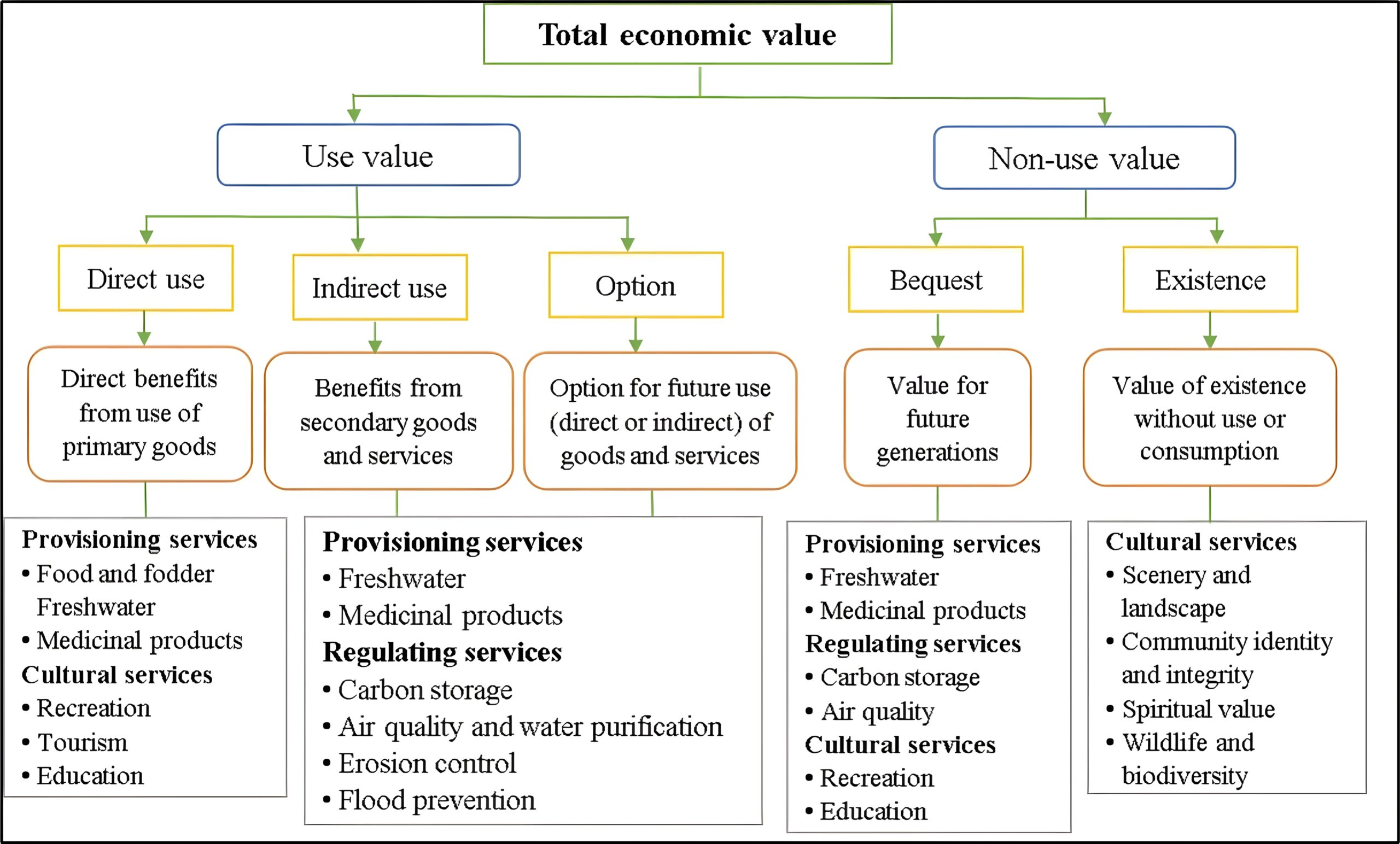
Figure 1. Total Economic Valuation (TEV) Framework for ecosystem services valuation adopted for the study
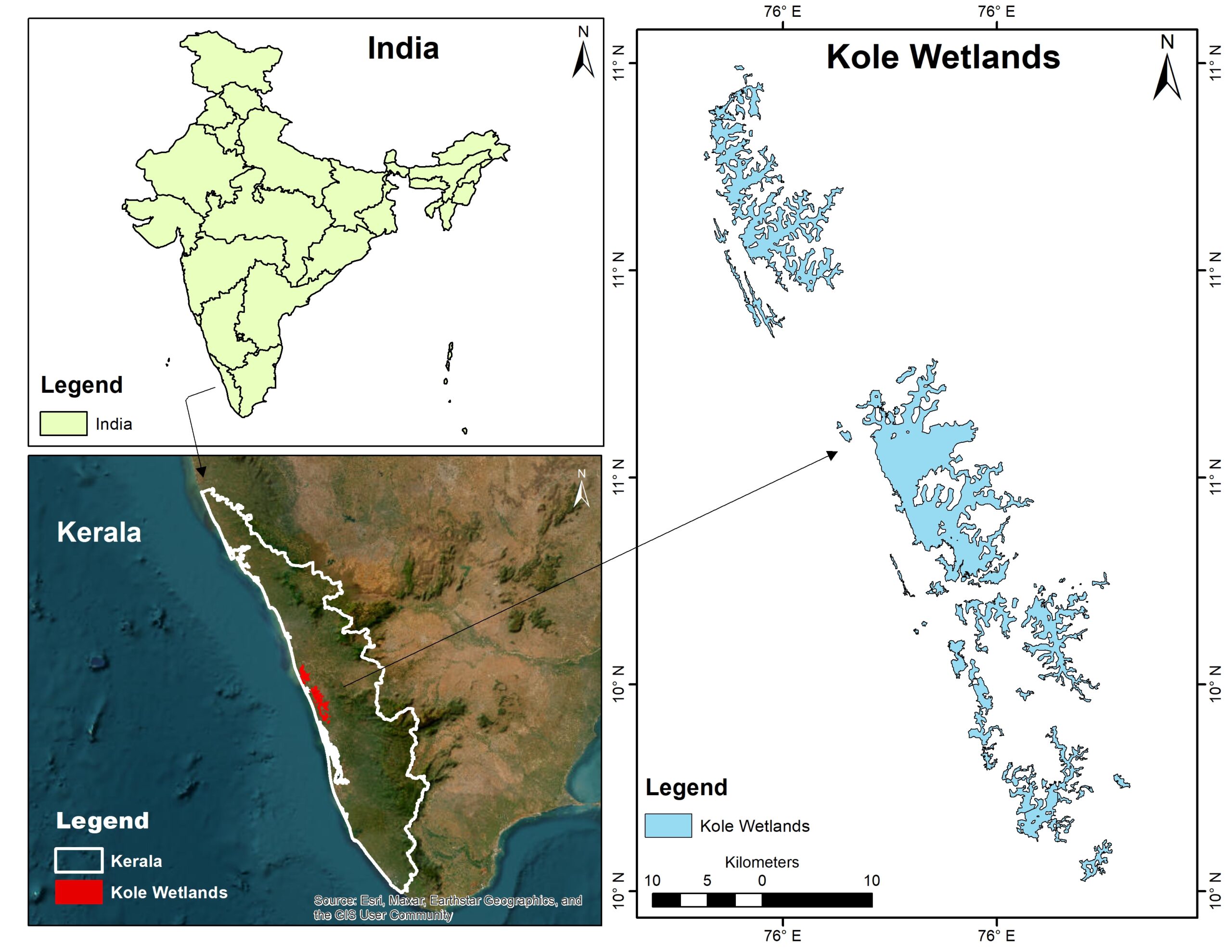
Figure 2. Location of the Kole wetlands, Kerala, India.
Study design and data collection
The study was based on both primary and secondary data. The study was conducted over a 13-month period, from November 2020 to December 2021. Nine key ecosystem services were selected for Total Economic Valuation (TEV), following the Millennium Ecosystem Assessment framework (MEA, 2005). A combination of Participatory Rural Appraisal (PRA) tools, including Focus Group Discussions (FGDs), Key Informant Interviews (KIIs), and Household Surveys, was employed to collect primary data (Table 1, see Supplementary 1 for methodological details). The conversion from INR to USD was calculated using the 2021 exchange rate, where 1 USD was equivalent to ₹74.2. A two-stage sampling design was employed for data collection. At the initial stage, seven villages within the Thrissur Kole wetlands – Thommana, Enamav, Kanjani, Pulazhi, Nedupuzha, Aranattukkara and Kodannur were randomly selected. In the second stage, the lists of farmers from these villages were obtained from the respective Padasekharam Samiti, and 10 farmers from each village (Total = 70) were randomly chosen. Among them, respondents who were also engaged in natural fishing or pisciculture before rice cultivation (N=40) and who leased their land for duck rearing (N= 40), were interviewed to collect information on pre-cultivation fisheries and duck rearing activity. All available lotus cultivators were interviewed, as very few people are engaged in lotus farming. Tourists visiting the wetland for recreation were sampled randomly, with 40 individuals interviewed at key tourism sites (Vilangan hills and Pullu 2021). To represent community-level perceptions and non-use values, 30 residents from the selected villages (directly dependent on Kole wetlands for ecosystem services) and 30 residents living approximately 10 km outside the Kole area (indirectly dependent on Kole wetlands from Vellanikkara, Pandiparamb, Chirakkekod, and Thanikudam) were randomly selected and surveyed using the Contingent Valuation Method (CVM). Thus, the overall sampling strategy combined random sampling (farmers, residents, tourists, and off-site respondents) with purposive sampling (lotus farmers and duck-rearing lessors) to ensure adequate representation of all stakeholder groups.
Two structured questionnaires were used:
- a direct-use questionnaire for farmers, fishermen, and local residents;
- a tourist questionnaire focusing on recreational benefits
The questionnaires included demographic and socio-economic details, followed by questions on ecosystem service use, perceived benefits, travel cost method, and willingness to pay (WTP) for conservation and management.
Statistical Analysis of Survey and Demographic Data
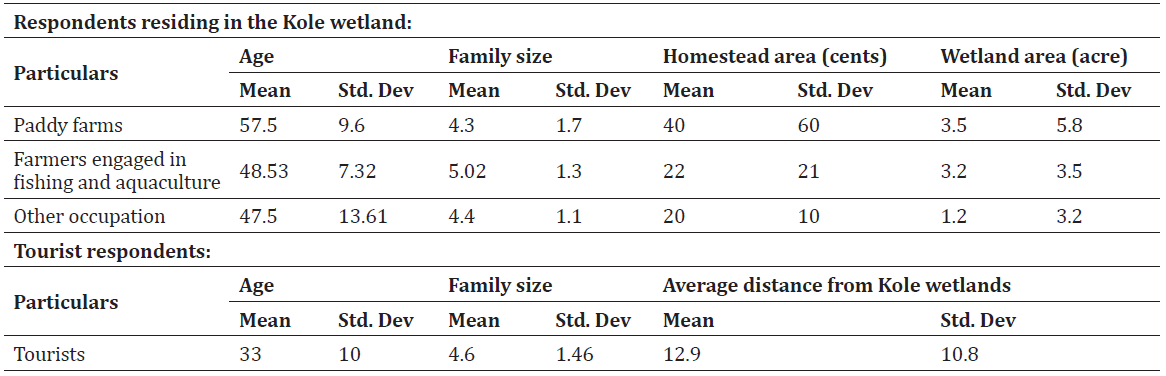
Descriptive statistics and cross-tabulation analyses were performed using SPSS to explore relationships and evaluate the survey data (Table 2). To examine relationships among key demographic variables, cross-tabulations were performed, and chi-square tests of independence was used to assess the statistical significance of observed associations. A p-value of less than 0.05 was considered statistically significant. All assumptions underlying the chi-square test, including minimum expected cell counts, were verified prior to interpretation.
The study considered two main sub-populations:
(i) respondents residing within the Kole wetlands who were interviewed to collect information on direct ecosystem services received, and
(ii) tourists, who are non-residents and therefore treated as a separate sub-population.
Table 1. Various approaches used to analyse ecosystem services of the Kole wetlands, Kerala, India.
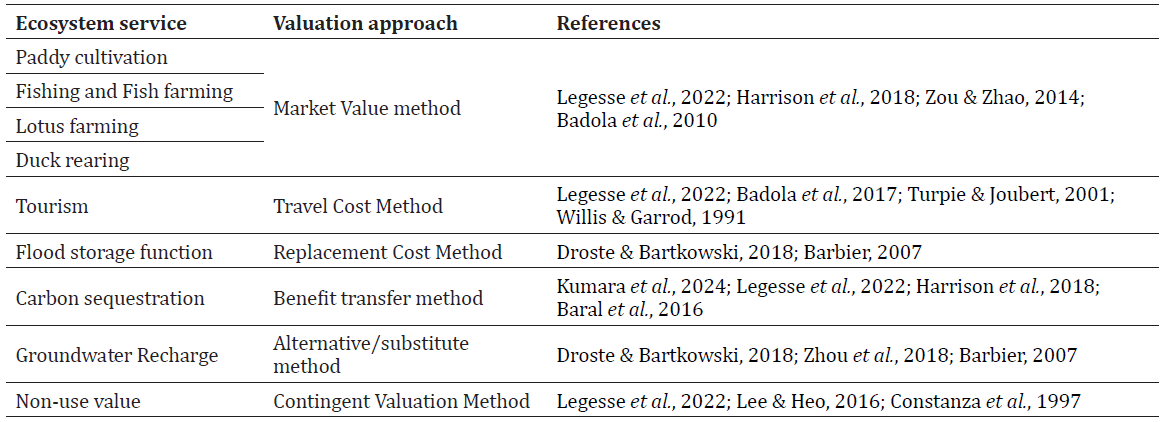
Table 2. Details and characterisation of the respondents evaluating non-use value of the Kole wetlands, Kerala, India.
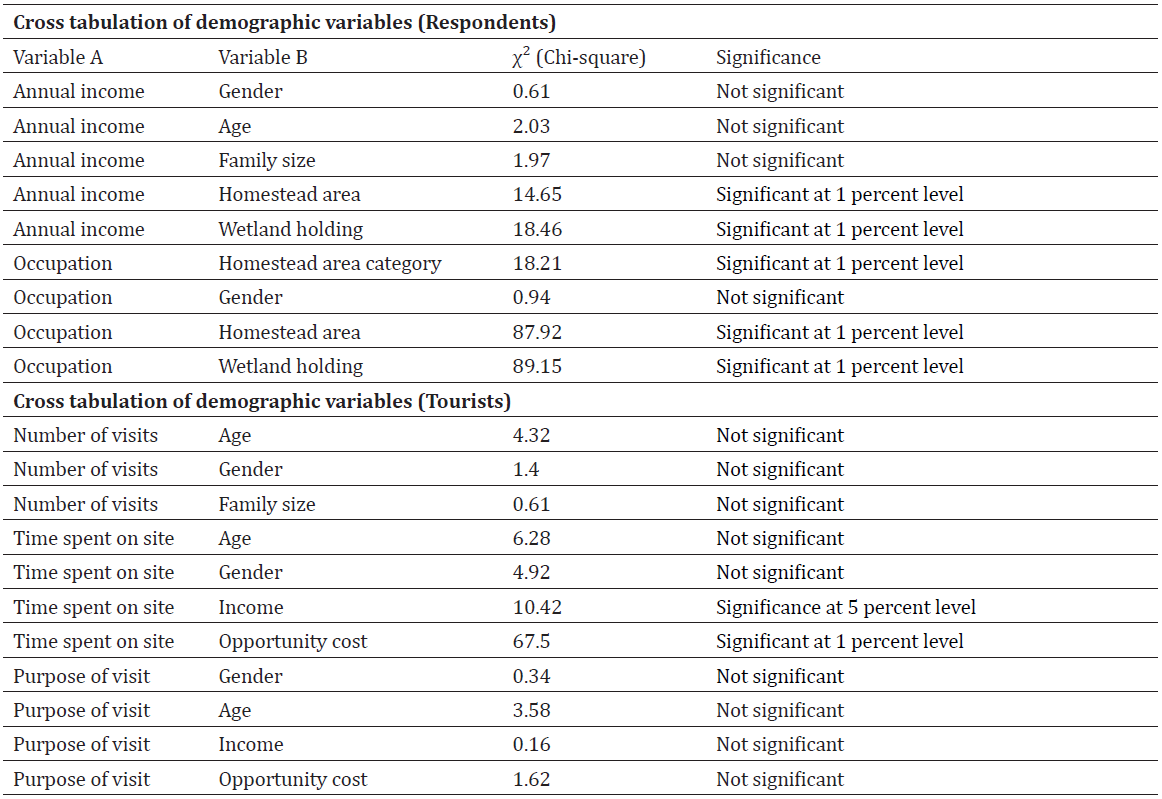
The results revealed statistically significant associations of annual income with homestead area, wetland holdings, and occupation, and between occupation and homestead area (Table 3). These findings suggest a strong dependence of household income on the extent of agricultural landholdings, highlighting the critical role of land access in shaping economic outcomes for local residents.
Results
The study offers key insights into the ecosystem valuation of the Kole wetland through the application of the Total Economic Valuation (TEV) framework, which classifies value into direct use, indirect use, and non-use values.
The direct use value of Kole wetlands:
Provisioning services in the Kole Wetlands encompass paddy cultivation, fishing activities , lotus farming, and land leasing for duck rearing. Paddy farming was the dominant activity, with an average yield of 5,114 kg per hectare. The market price of paddy averaged USD 0.37 per kilogram, although this varies based on quality, market fluctuations, and seasonal conditions. The production cost was approximately USD 679.88 per hectare, while paddy straw contributed an additional USD 162.48 per hectare. This results in an average net return of USD 1,419.19 per hectare. With 10,974 hectares under paddy cultivation, the total annual economic value was estimated at USD 15 million, with upper-end projections suggesting it may reach up to USD 19 million.
In addition to paddy farming, aquaculture is a significant livelihood activity, particularly during the monsoon season. Following the paddy harvest, the flooded fields are repurposed for fish farming, with harvesting completed at least 10 days before the next cultivation cycle begins (Srinivasan, 2010). Fish farming involves both leased and self-managed operations, with species such as catla (Labeo catla), rohu (Labeo rohita), and common carp (Cyprinus carpio) being most commonly cultivated (Srinivasan, 2010). The average income from aquaculture was USD 133.91 per hectare. With 291 hectares currently under fish farming, the total economic value was approximately USD 1.6 million per year.
Lotus (Nelumbo nucifera) cultivation represents another valuable provisioning service. Currently, 6.8 hectares in the Kole wetlands are devoted to lotus farming. Laborers harvested approximately 145 flowers per acre on alternate days, using small boats. With strong cultural and religious demand, particularly for temple offerings and Hindu ceremonies, the yield averaged 100,000 flowers per hectare annually. The net return from lotus farming was estimated at USD 2,964.22 per hectare, yielding a total annual value of approximately USD 20,156.74.
Duck rearing is also a notable seasonal activity. Following the paddy harvest, ducks from Tamil Nadu, Karnataka, and various regions of Kerala are brought to graze in the fields, feeding on leftover grains, weed seeds, and vegetation. Farmers leased their land for this purpose at an average rate of USD 9.10 per hectare. With around 461 hectares used for duck rearing, the estimated annual economic value was approximately USD 0.1 million.
The scenic Kole wetlands, located in the Thrissur and Malappuram districts of Kerala, possess significant ecotourism potential due to their picturesque landscape and rich biodiversity. Tourist surveys conducted during the study period revealed that the
Table 3. Cross-tabulation of the demographic variables and corresponding chi-square test values to understand their associations at the Kole wetlands, Kerala, India.
average opportunity cost per visitor in 2021 was USD 3.31, while the average expenditure per visit was USD 1.20, resulting in a total per-visitor cost of approximately USD 4.50. An estimated 81,810 tourists visited parts of the Kole Wetlands during the study period, contributing to an annual recreational economic value of approximately USD 1.2 million.
Indirect Ecosystem Services of the Kole wetlands
The Kole wetlands provide critical indirect ecosystem services, including flood storage, carbon sequestration, and groundwater recharge.
Flood Storage:
Functioning as a natural buffer between the Western Ghats and the Arabian Sea, the Kole Wetlands serve as a vital flood storage zone. Spanning 13,632 hectares with an average water depth of 2 meters, the wetlands are capable of storing approximately 272.64 billion liters (or 8.5 TMC) of water annually. This makes flood mitigation one of their most essential ecological functions. For comparison, the proposed reservoir at Kannankottai and Thervaikandigai in Tamil Nadu, designed to support Chennai’s drinking water supply, has a storage capacity of only 1 TMC and an estimated project cost of ₹330 crores (approximately USD 3.91 million) (Veerappan & Lakshmipathy, 2018). Assuming a reservoir lifespan of 15 years, the annualized cost of providing an equivalent flood storage service via engineered infrastructure significantly exceeds that of the natural system. Accordingly, the flood storage function of the Kole wetlands is valued at approximately USD 25.3 million per year.
Carbon Sequestration:
Wetlands play an essential role in climate regulation through carbon sequestration—the long-term capture and storage of atmospheric carbon dioxide (CO₂). Based on the benefit transfer method, the average carbon sequestration rate for tropical wetlands is 1.29 tonnes of carbon per hectare per year (Mitsch et al., 2013). Given that one tonne of carbon equals 3.67 tonnes of CO₂ (Baral et al., 2016), and with a total area of 13,632 hectares, the Kole Wetlands sequester approximately 64,786 tonnes of CO₂ annually. Using India’s estimated social cost of carbon at USD 86.25 per tonne (Ricke et al., 2018), the economic value of carbon sequestration in the Kole wetlands was approximately USD 5.5 million per year.
Groundwater Recharge:
The wetlands also play a key role in maintaining groundwater levels by influencing the hydraulic head and supporting both recharge and discharge processes. Factors such as soil type, vegetation cover, site conditions, perimeter-to-volume ratio, and the water table gradient affect the recharge potential. Based on data collected in the current study, the average daily water requirement per individual in the Kole region was 206.5 litres—higher than the 197.7 litres required by individuals living outside the area. Assuming an average household size of four persons, the daily water requirement per household was approximately 824 liters. With 345,673 households in and around the Kole wetlands (Census of India, 2011), the total groundwater recharge service was valued at approximately USD 1.3 million annually.
Non-Use Value of the Kole wetlands
Non-use ecosystem services refer to the values derived from natural ecosystems that are neither directly consumed nor indirectly utilized by individuals, yet hold substantial significance. These include the intrinsic value of biodiversity, the existence value of the wetland, and the bequest value associated with preserving the ecosystem for future generations. To estimate the non-use value of the Kole Wetlands, respondents were presented with hypothetical conservation scenarios and asked about their annual willingness to pay (WTP) for wetland preservation. The initial bid was set at INR 50, with respondents allowed to provide open-ended responses. The bid values (₹ 50, ₹100, ₹ 200, ₹ 500, ₹ 1000) used in the contingent valuation survey were selected based on a preliminary discussion with local stakeholders, which indicated that these values represent a realistic and affordable contribution range for households in the study site. The bid range also aligneds with the typical WTP intervals (Rs. 50 – Rs. 500) used in CVM studies in India (Payal et al., 2024) and conforms to the guidelines of the National Oceanic and Atmospheric Administration (NOAA) Panel, USA (Arrow et al., 1993). Approximately 66% of participants expressed a willingness to contribute financially toward wetland conservation.
The majority indicated a WTP of INR 100, while a smaller, highly motivated subset offered contributions ranging from INR 1,000 to INR 2,000. On average, the WTP was calculated at USD 2.52 per person annually. With a total population of 345,673 residents in the Kole Wetlands region, the estimated economic value of non-use ecosystem services amounted to approximately USD 0.9 million per year.
Total estimated economic value of ecosystem services of Kole wetland:
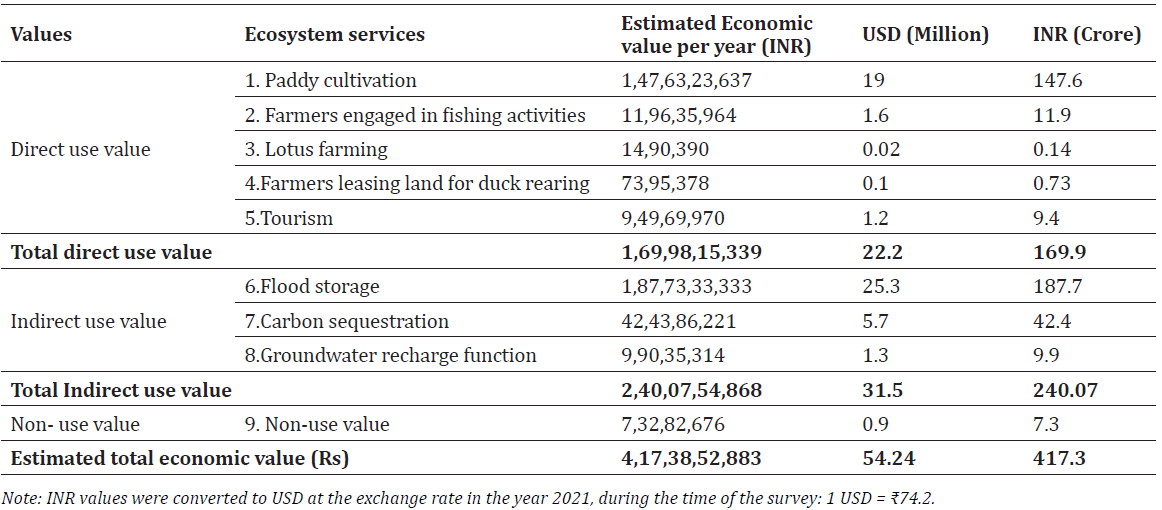
The total estimated economic value of the Kole wetlands including direct use, indirect use, and non-use values was approximately USD 54.24 million (Table 4, see Supplementary 1 – Tables S1 to S8 – for details on calculations).
Discussion
Economic contribution of provisioning services
Coastal wetlands that support rice cultivation are a major asset of South Indian states. Provisioning services constitute a major economic pillar of the Kole wetlands, with paddy farming as the a significant contributor. The current study estimated that paddy cultivation generates an annual economic value of approximately USD 15-19 million, highlighting its main role is sustaining local livelihoods and regional food security. Despite rising input costs and increasing climate variability, rice farming remains economically viable, yielding an average net return of over USD 1,400 per hectare. The findings align closely with reported values from similar agro-wetland systems in eastern India, where the ecosystem value of rice fields considering other ecosystem services was estimated to range between USD 1,238 and 1,668 per hectare per year using similar methodologies (Nayak et al., 2019). This result highlights the wetland-based rice agroecosystems in supporting rural economies across India. Fisheries contributed approximately USD 1.6 million per year in the Kole wetland, reflecting both its economic role and its adaptive integration with paddy farming in a seasonally dynamic landscape. This system is comparable to floodplain aquaculture systems where agriculture and fishery integration has supported income diversification and resilience (Ramachandran et al., 2023; Arunat & Sereenonchai, 2022; Dey et al., 2005). Lotus cultivation, though occupying only 6.8 hectares, delivered high per-hectare returns due to strong cultural and religious demand; however, its overall expansion remains limited because it conflicts with paddy farming. The present study suggests that high-value, culturally important crops like lotus could still offer opportunities for sustainable livelihood diversification. Duck rearing, while generating a modest USD 0.1 million annually, added post-harvest value with minimal input, highlighting the multifunctional nature of the wetland landscape.
Ecotourism and cultural value
Tourism contributed an additional USD 1.2 million annually to the local economy of the wetland. The Kole Wetlands’ aesthetic appeal and rich biodiversity present great potential for ecotourism development. The recent studies from Kerala support the viability of valuing cultural ecosystem services in wetland-like systems, for instance, Meharoof et al., (2024) applied the same Travel Cost Method to the Peechi Reservoir and estimated substantial consumer surplus from visitor recreation. Kaur et al. (2023) estimated the recreational value of Harike Wetland at USD 1.19 million annually, aligning closely with the Kole Wetlands. In contrast, Periyar Tiger Reserve was valued at USD 15 billion (Bulow & Lundgren, 2007), owing to its more extensive ecotourism offerings such as safaris and trekking-opportunities that remain underdeveloped in Kole. Enhancing infrastructure and visitor experience while ensuring environmental sustainability could significantly boost both conservation and economic returns from such ecosystems (Baloch et al., 2023).
Non-use and Willingness-to-Pay (WTP) assessments
Non-use values, such as existence and bequest values, are increasingly recognized as crucial to conservation planning. The present study considered respondents from both groups- those directly dependent on the wetlands and those indirectly dependent to capture the full spectrum of non-use values, including bequest value from dependent users and existence value from non-dependent users. In the present study, 66% of respondents expressed a willingness to pay (WTP) for wetland conservation, with an average contribution of USD 2.51 (₹ 197.42) per household annually. These values are quite similar to the values reported by Rose & Prema (2024), in the same study site, which documented a mean WTP of ₹ 211.
Table 4. Total Economic Value of all direct use, indirect use and non-use values of the Kole wetlands, Kerala, India.
Binilkumar (2010) reported, the willingness to pay per person as USD 5.24 (~₹ 240) at the Kole wetlands. The increase in exchange rates from 2010 to 2021 suggests that the WTP values from both years, though expressed differently, remain comparable, indicating consistency in perceived economic value over time. Another study from the Kole wetlands reported a maximum WTP of USD 4.91 (Aravindh et al., 2019). Together, these findings demonstrate that despite variations in monetary estimates over time, studies using similar methodologies consistently reveal strong public support for conservation of the Kole wetlands.
Total economic value and regional comparisons
This study estimated the total economic value of the Kole Wetlands at approximately USD 54.24 million per year, incorporating direct use, indirect use, and non-use values. The global value of wetland ecosystem services has been estimated at approximately USD 47.4 trillion per year (Costanza et al., 2014). However, this figure likely underrepresents their true worth due to the lack of precise and comprehensive valuation methodologies.
Comparable studies in South Asia, which support these findings, are Sharma et al. (2015), who evaluated Koshi Tappu Wildlife Sanctuary at USD 13 million, focusing only on provisioning services. Baral et al. (2016) assessed Jagadishpur Reservoir at ₹ 94.5 million annually, identifying option and existence values as the highest contributors. Similarly, Singha et al., (2024) estimated the TEV of Sone Beel (Assam, India) at USD 6.77 million per year, using a combined similar methodology as used in the current study, such as the market price method, TCM, CVM, etc. By integrating direct, indirect, and non-use values, this study offers a comprehensive estimate of the worth of wetland- an approach rarely applied in India, providing a useful baseline for future research. Despite methodological limitations, it presents a holistic picture of the economic significance of the Kole wetlands.
Socioeconomic inequities in wetland access
Our analysis revealed significant relationships between household income and factors such as homestead size, wetland holdings, and farming category. These findings suggest that wealthier households tend to control larger wetland areas and derive greater benefits, raising concerns about equitable access. Such inequalities may marginalize vulnerable groups and hinder inclusive development. Policy measures should therefore, promote transparency in land leasing, encourage cooperative farming and community aquaculture, and support smallholder participation in ecosystem service-based livelihoods.
Policy implications and integration in planning
The substantial economic value of the Kole Wetlands must be recognized in local development planning, climate adaptation strategies, and payment for ecosystem services (PES) schemes. Ecosystem services like flood mitigation and carbon sequestration should be integrated into disaster risk reduction plans, climate-resilient infrastructure planning, and local government budgeting frameworks. Incentivizing practices such as organic agriculture, biodiversity conservation, and regulated tourism can further strengthen community resilience and ecological sustainability.
Study limitations and future research
Despite its robust valuation framework, this study has the following limitations. The estimates for services like carbon sequestration and flood control rely on benefit transfer methods and secondary data, which may not reflect site-specific variations. The contingent valuation results may be influenced by hypothetical bias and starting-point bias. Hence, we suggest that future studies should adopt long-term, interdisciplinary approaches that combine, ecological modeling, primary biophysical measurements, and advanced economic valuation tools. Such efforts will provide more accurate estimations, establish ecological baselines, and guide sustainable development of the wetland ecosystems.
Conclusion
The Kole wetlands in Kerala hold substantial ecological and economic importance, offering a wide array of goods and services that directly support local communities. This study assessed both use and non-use values, with particular emphasis on direct-use services such as paddy cultivation, fishery, lotus farming, and duck rearing—activities vital for livelihood sustenance and income generation. The total estimated annual economic value of the wetlands was USD 54.24 million (INR 417.3 Crore), underscoring their significant contribution to regional well-being and natural capital.
Among the components of value assessed, indirect use services emerged as the largest contributor to the total economic value, followed by direct use and non-use values. This finding emphasizes the critical yet often overlooked role of regulating and supporting services such as flood control, groundwater recharge, and carbon sequestration which are typically excluded from conventional market assessments. The results of this study underscore the urgent need for comprehensive conservation strategies. Local governments and stakeholders must prioritize restoration efforts and explore sustainable financing mechanisms, such as ecotourism development and payment for ecosystem services (PES), to ensure the long-term ecological integrity of the Kole Wwetlands. Fostering community participation and integrating ecosystem valuation into policy planning will be essential for achieving sustainable management and resilience of this vital Ramsar site.
TO DOWNLOAD SUPPLEMENTARY MATERIAL, CLICK HERE.
Acknowledgement
The authors acknowledge the Dean, College of Forestry, Kerala Agricultural University (KAU), for logistical support and Kerala Agricultural University for financial assistance. We thank Dr. M. Krishnadas (Agricultural Economics), Mr. K.C. Ayoob (Agricultural Statistics), and Dr. M. Shaji (Wildlife Science), Assistant Professors at KAU, Vellanikkara, for their guidance. The first author also thank Ms. Kavya T.K. for field assistance and Ms. Diksha Verma for her critical feedback on an earlier draft.
CONFLICT OF INTEREST
The authors declare that there is no conflict of interest.
DATA AVAILABILITY
Data is available from the corresponding author on request.
AUTHORS’ CONTRIBUTION
Both authors contributed equally to conceptualization, methodology, investigation, data curation, analysis, writing original draft – review & editing.
Both authors have read and approved the final version of the manuscript and agree to be accountable for all aspects of the work
ETHICAL STATEMENT
The authors declare that the research was conducted in accordance with all applicable ethical standards. Fieldwork and data collection were conducted with appropriate permissions from relevant authorities. Informed consent was obtained from all participants prior to participation in any surveys or interviews. No endangered species were harmed during research. The authors also confirm that the manuscript is original, has not been published elsewhere, and is not under consideration by any other journal.
ORIGINALITY STATEMENT
We, the authors, declare that this manuscript is our original work and has not been published previously in any form, nor is it under consideration for publication elsewhere. All sources of information used have been appropriately acknowledged and referenced. We confirm that there is no plagiarism or duplication, and the work complies with the ethical standards of research and publishing. Both the authors have read and approved the final version of the manuscript and agree to its submission to the Journal of Wildlife Science.
AI USE DECLARATION
The authors acknowledge the use of artificial intelligence (AI) tools for improving language. All scientific content, analysis, and interpretations are the original work of the authors. The authors take full responsibility for the accuracy, integrity and originality of all content presented.
Edited By
Aashna Sharma
University of Washington, USA
*CORRESPONDENCE
P. O. Nameer
✉ nameer.po@kau.in
CITATION
Tamhankar, N. V. & Nameer, P. O. (2025). Economic valuation of ecosystem services in the Kole wetlands, A Ramsar site in Kerala, India. Journal of Wildlife Science, Online Early Publication, 01-09. https://doi.org/10.63033/JWLS.UKPG3522
FUNDING
The authors gratefully acknowledge the Kerala Agricultural University, Thrissur, for providing financial support for this research.
COPYRIGHT
© 2026 Tamhankar & Nameer. This is an open-ac¬cess article, immediately and freely available to read, download, and share. The information con¬ained in this article is distributed under the terms of the Creative Commons Attribution License (CC BY 4.0
 ), allowing for unrestricted use, distribution, and reproduction in any medium, provided the original work is properly cited in accordance with accepted academic practice. Copyright is retained by the author(s).
PUBLISHED BY
Wildlife Institute of India, Dehradun, 248 001 INDIA
PUBLISHER'S NOTE
The Publisher, Journal of Wildlife Science or Editors cannot be held responsible for any errors or consequences arising from the use of the information contained in this article. All claims expressed in this article are solely those of the author(s) and do not necessarily represent those of their affiliated organisations or those of the publisher, the editors and the reviewers. Any product that may be evaluated or used in this article or claim made by its manufacturer is not guaranteed or endorsed by the publisher.
Aravindh, P., Nair, D. R. & Harikumar, S. (2019). Conservation of Kole wetlands–willingness to pay approach. Indian Journal of Economics and Development, 7(11), 1-10.
Arrow, K., Solow, R., Portney, P. R., Leamer, E. E., Radner, R. & Schuman, H. (1993). Report of the NOAA panel on contingent valuation. Federal register, 58(10), 4601-4614.
Arunrat, N. & Sereenonchai, S. (2022). Assessing Ecosystem Services of Rice–Fish Co-Culture and Rice Monoculture in Thailand. Agronomy, 12(5), 1241. https://doi.org/10.3390/agronomy12051241
MEA (Millennium Ecosystem Assessment) (2005). Ecosystems and human well-being: wetlands and water. World Resources Institute.
Badola, R., Hussain, S. A., Dobriyal, P., Leima, T. S., Gill, A. K., Dev, A. & Thapliyal, S. (2017). Assessment of Recreational Services of Natural Landscapes in third World Tropics using the Travel Cost Method. Wilderness of Wildlife Tourism, Apple Academic Press. pp.17-34. http://dx.doi.org/10.1201/9781315365817-3
Badola, R., Hussain, S. A., Mishra, B. K., Konthoujam, B., Thapliyal, S. & Dhakate, P. M., (2010). An assessment of ecosystem services of Corbett Tiger Reserve, India. The Environmentalist, 30, 320-329. https://doi.org/10.1007/s10669-010-9278-5
Baloch, Q. B., Shah, S. N., Iqbal, N., Sheeraz, M., Asadullah, M., Mahar, S. & Khan, A. U. (2023). Impact of tourism development upon environmental sustainability: a suggested framework for sustainable ecotourism. Environmental Science and Pollution Research, 30, 5917-5930. https://doi.org/10.1007/s11356-022-22496-w
Baral, S., Basnyat, B., Khanal, R. & Gauli, K. (2016). A Total Economic Valuation of Wetland Ecosystem Services: An Evidence from Jagadishpur Ramsar Site, Nepal. The scientific world journal, 2016(1), 2605609. http://dx.doi.org/10.1155/2016/2605609
Barbier, E. B. (2007). Valuing ecosystem services as productive inputs. Economic policy, 22(49), 178-229. http://dx.doi.org/10.1111/j.1468-0327.2007.00174.x
Berg, H., Ekman Söderholm, A., Söderström, A. S. & Tam, N. T. (2017). Recognizing wetland ecosystem services for sustainable rice farming in the Mekong Delta, Vietnam. Sustainability Science, 12, 137-154. https://doi.org/10.1007/s11625-016-0409-x
Binilkumar, A. S. (2010). Economic valuation of wetland attributes: a case study of Kol Wetlands in Kerala. PhD Thesis. Indian Institute of Technology, Bombay (India).
Bülow, S. & Lundgren, T. (2007). An economic valuation of Periyar National Park: a travel cost approach. Bachelor’s dissertation. Retrieved from https://urn.kb.se/resolve?urn=urn:nbn:se:ltu:diva-44135
Chee, Y. E. (2004). An ecological perspective on the valuation of ecosystem services. Biological conservation, 120(4), 549-565. https://doi.org/10.1016/j.biocon.2004.03.028
Costanza, R., De Groot, R., Sutton, P., Van der Ploeg, S., Anderson, S. J., Kubiszewski, I., Farber, S. & Turner, R. K. (2014). Changes in the global value of ecosystem services. Global environmental change, 26, 152-158. https://doi.org/10.1016/j.gloenvcha.2014.04.002
Costanza, R., d’Arge, R., de Groot, R., Farber, S., Grasso, M., Hannon, B., Limburg, K., Naeem, S., O’Neill, R. V., Paruelo, J., Raskin, R. G., Sutton, P., & van den Belt, M. (1997). The value of the world’s ecosystem services and natural capital. Nature, 387(6630), 253–260. https://doi.org/10.1038/387253a0
De Groot, R., Brander, L., Van Der Ploeg, S., Costanza, R., Bernard, F., Braat, L., Christie, M., Crossman, N., Ghermandi, A., Hein, L. & Hussain, S. (2012). Global estimates of the value of ecosystems and their services in monetary units. Ecosystem services, 1(1), 50-61. https://doi.org/10.1016/j.ecoser.2012.07.005
Deane, D. C., Fordham, D. A., He, F. & Bradshaw, C. J. (2017). Future extinction risk of wetland plants is higher from individual patch loss than total area reduction. Biological Conservation, 209, 27-33. https://doi.org/10.1016/j.biocon.2017.02.005
Dey, M. M., Prein, M., Mahfuzul Haque, A. B. M., Sultana, P., Cong Dan, N. & Van Hao, N. (2005). Economic feasibility of community-based fish culture in seasonally flooded rice fields in Bangladesh and Vietnam. Aquaculture Economics & Management, 9(1-2), 65-88. https://doi.org/10.1080/13657300590961591
Droste, N. & Bartkowski, B. (2018). Ecosystem Service Valuation for National Accounting: A Reply to Obst, Hein and Edens (2016). Environmental and Resource Economics, 71, 205-215. https://doi.org/10.1007/s10640-017-0146-3
Engel, S., Pagiola, S. & Wunder, S. (2008). Designing payments for environmental services in theory and practice: An overview of the issues. Ecological economics, 65(4), 663-674. https://doi.org/10.1016/j.ecolecon.2008.03.011
Harrison, P. A., Dunford, R., Barton, D. N., Kelemen, E., Martín-López, B., Norton, L., Termansen, M., Saarikoski, H., Hendriks, K., et al. (2018). Selecting methods for ecosystem service assessment: A decision tree approach. Ecosystem services, 29(C), 481-498. https://doi.org/10.1016/j.ecoser.2017.09.016
Hassan, R., Scholes, R. & Ash, N. (2005). Ecosystems and human well-being: current state and trends. Island Press, Washington, DC, 1.
Hu, S., Niu, Z., Chen, Y., Li, L. & Zhang, H. (2017). Global wetlands: Potential distribution, wetland loss, and status. Science of the total environment, 586, 319-327. https://doi.org/10.1016/j.scitotenv.2017.02.001
Jyothi, P. V. & Sureshkumar, S. (2014). Preliminary documentation of aquatic Macrophytes of Kole wetlands of Northern Kerala, India. International journal of environmental sciences, 5(1), 117-122.
Kaur, A., Guleria, A. & Singh, J. (2023). Recreational Value of Wetland Ecosystem: Evidence from Harike, Punjab. Indian Journal of Agricultural Economics, 78(3), 432-443. http://dx.doi.org/10.22004/ag.econ.345283
Kumara, T. M., Birthal, P. S., Meena, D. C. & Kumar, A. (2024). Economic valuation of ecosystem services of selected interventions in agriculture in India. International Food Policy Research Institute. pp.1-55.
Ledoux, L. & Turner, R. K. (2002). Valuing ocean and coastal resources: a review of practical examples and issues for further action. Ocean & Coastal Management, 45(9-10), 583-616. https://doi.org/10.1016/S0964-5691(02)00088-1
Lee, C. Y. & Heo, H. (2016). Estimating willingness to pay for renewable energy in South Korea using the contingent valuation method. Energy Policy, 94, 150-156. https://doi.org/10.1016/j.enpol.2016.03.051
Legesse, F., Degefa, S., & Soromessa, T. (2022). Valuation methods in ecosystem services: A meta-analysis. https://doi.org/10.21203/rs.3.rs-1935778/v1
Loomis, J. J. Knaus, M. & Dziedzic, M. (2019). Integrated quantification of forest total economic value. Land Use Policy, 84, 335-346. https://doi.org/10.1016/j.landusepol.2019.03.018
Meharoof, M., Yadav, V. K., Sharma, A., Anitha, V., Paul, T. T., Paul, L., & Dave, C. P. (2024). Economic valuation of cultural ecosystem services: A case of tropical reservoir ecosystem. Journal of Environmental Biology, 45(5), 576-585.
Mitsch, W. J. & Gosselink, J. G. (2015). Wetlands, 5th Edition. John wiley & sons. pp.1-752
Mitsch, W. J. Bernal, B., Nahlik, A. M., Mander, Ü., Zhang, L., Anderson, C. J., Jørgensen, S. E. & Brix, H. (2013). Wetlands, carbon, and climate change. Landscape ecology, 28, 583-597. https://doi.org/10.1007/s10980-012-9758-8
Mitsch, W. J., Gosselink, J. G., Zhang, L. & Anderson, C. J. (2009). Wetland ecosystems. John Wiley & Sons.
Mori, A. S., Lertzman, K. P. & Gustafsson, L. (2017). Biodiversity and ecosystem services in forest ecosystems: a research agenda for applied forest ecology. Journal of Applied Ecology, 54(1), 12-27. https://doi.org/10.1111/1365-2664.12669
Munda, G. (2003). Multicriteria assessment. International Society for Ecological Economics.
Nayak, A. K., Shahid, Md., Nayak, A. D., Dhal, B., Moharana, K. C., Mondal, B., Tripathi, R., Mohapatra, S. D., Bhattacharyya, P. et al. (2019). Assessment of ecosystem services of rice farms in eastern India. Ecological Processes, 8, 35. https://doi.org/10.1186/s13717-019-0189-1
Nitanan, K. M., Shuib, A., Sridar, R., Kunjuraman, V., Zaiton, S. & Herman, M. A. (2020). The total economic value of forest ecosystem services in the tropical forests of Malaysia. International Forestry Review, 22(4), 485-503. https://doi.org/10.1505/146554820831255551
Office of the Registrar General & Census Commissioner, India. (2011). Census of India 2011: Primary Census Abstract, Kerala. New Delhi, India: Government of India.
Payal, M., Ahmed, T., Hussain, S. A. & Badola, R. (2024). Willingness to Pay for forest corridor conservation: A contingent valuation study of Similipal-Satkosia corridor affected by mining in Odisha, India. Trees, Forests and People, 16, 100564. https://doi.org/10.1016/j.tfp.2024.100564
Perez-Verdin, G., Sanjurjo-Rivera, E., Galicia, L., Hernandez-Diaz, J.C., Hernandez-Trejo, V. & Marquez-Linares, M. A. (2016). Economic valuation of ecosystem services in Mexico: Current status and trends. Ecosystem Services, 21, 6-19. https://doi.org/10.1016/j.ecoser.2016.07.003
Rahmani, A. R., Islam, M., Laad, S. & Bharos, A. M. K. (2004). Important bird areas in India: priority sites for conservation. Indian Bird Conservation Network: Bombay Natural History Society and Birdlife International (UK), 1133.
Ramachandran, C., Shinoj, P., Gills, R., Anuja, A. R., Padua, S., Ratheesh Kumar, R., & Rajesh, N. (2023). Ecosystem services of coastal wetlands for climate change mitigation: an economic analysis of Pokkali and Kaipad-based rotational paddy farming systems in India. Current Science, 125(5), 156-164. https://doi.org/10.18520/cs/v125/i2/156-164
Ramsar Convention (2021). Home page. https://www.ramsar.org/wetland/india (Accessed on 12 April 2021).
Ricke, K., Drouet, L., Caldeira, K. & Tavoni, M. (2018). Country-level social cost of carbon. Nature Climate Change, 8(10), 895-900. https://doi.org/10.1038/s41558-018-0282-y
Roebeling, P., Abrantes, N., Ribeiro, S. & Almeida, P. (2016). Estimating cultural benefits from surface water status improvements in freshwater wetland ecosystems. Science of the total environment, 545, 219-226. https://doi.org/10.1016/j.scitotenv.2015.12.063
Rose, C. D. & Prema, A. (2024). Evaluating Stakeholder Preferences and Willingness to Pay for Ecosystem Services in Kole Wetlands of Kerala for Effective Conservation Planning. Asian Journal of Agricultural Extension, Economics & Sociology, 42(9), 179-191. https://doi.org/10.9734/ajaees/2024/v42i92553
Saunders, J., Tinch, R. & Hull, S. (2010). Valuing the marine estate and UK seas: an ecosystem services framework. The Crown Estate, London, p.54.
Sharma, B., Rasul, G. & Chettri, N. (2015). The economic value of wetland ecosystem services: Evidence from the Koshi Tappu Wildlife Reserve, Nepal. Ecosystem Services, 12, 84-93. https://doi.org/10.1016/j.ecoser.2015.02.007
Singha, K. B., Singh, N. B., & Singh, K. G. (2024). Economic valuation of wetland products and services: A case study of Sone Beel, India. Indian Journal of Natural Products and Resources (IJNPR), [Formerly Natural Product Radiance (NPR)], 15(1), 156-177. https://doi.org/10.56042/ijnpr.v15i1.4483
Sivaperuman, C. and E.A. Jayson. (2000). Birds of Kole Wetlands, Thrissur, Kerala. Zoos' Print Journal. 15(10), 344-349.
Srinivasan, J. T. (2010). Understanding the Kole lands in Kerala as a multiple use wetland ecosystem. Hyderabad, India: Research Unit for Livelihoods and Natural Resources.
Turpie, J. & Joubert, A. (2001). Estimating potential impacts of a change in river quality on the tourism value of Kruger National Park: An application of travel cost, contingent, and conjoint valuation methods. Water Sa, 27(3), 387-398. https://doi.org/10.4314/wsa.v27i3.4983
Turpie, J., Lannas, K., Scovronick, N. & Louw, A. (2010). Wetland Valuation Volume I Wetland ecosystem services and their valuation:a review of current understanding and practice. Wetland health and important research programme, pp.1-132.
Veerappan, E. R. A. & Lakshmipathy, M. (2018). A New Project for Augmenting Drinking Water Supply to Chennai City by forming new Reservoir near Kannankottai and Thervaikandigai, Thiruvallur District, Tamilnadu – An Alternative Efficient & Cost Effective Proposal. Indian Journal of Science and Technology, 11(10), 1-7. https://dx.doi.org/10.17485/ijst/2018/v11i10/110096
Willis, K. G. & Garrod, G. D. (1991). An individual travel‐cost method of evaluating forest recreation. Journal of agricultural Economics, 42(1), 33-42. https://doi.org/10.1111/j.1477-9552.1991.tb00330.x
Zhou, B., Zhu, J. W., Lu, P. & Huang, Z. Q. (2018). October. The service function value assessment analysis of urban wetland ecosystem--A case study of Xi’an Chan-Ba wetland. IOP Conference Series: Earth and Environmental Science, 191(1), 012114. http://dx.doi.org/10.1088/1755-1315/191/1/012114
Zou, Y. & Zhao, W. (2014). Anatomy of Tsinghua University Science Park in China: institutional evolution and assessment. The Journal of Technology Transfer, 39(5), 663-674. https://doi.org/10.1007/s10961-013-9314-y

Edited By
Aashna Sharma
University of Washington, USA
*CORRESPONDENCE
P. O. Nameer
✉ nameer.po@kau.in
CITATION
Tamhankar, N. V. & Nameer, P. O. (2025). Economic valuation of ecosystem services in the Kole wetlands, A Ramsar site in Kerala, India. Journal of Wildlife Science, Online Early Publication, 01-09. https://doi.org/10.63033/JWLS.UKPG3522
FUNDING
The authors gratefully acknowledge the Kerala Agricultural University, Thrissur, for providing financial support for this research.
COPYRIGHT
© 2026 Tamhankar & Nameer. This is an open-ac¬cess article, immediately and freely available to read, download, and share. The information con¬ained in this article is distributed under the terms of the Creative Commons Attribution License (CC BY 4.0), allowing for unrestricted use, distribution, and reproduction in any medium, provided the original work is properly cited in accordance with accepted academic practice. Copyright is retained by the author(s).
PUBLISHED BY
Wildlife Institute of India, Dehradun, 248 001 INDIA
PUBLISHER'S NOTE
The Publisher, Journal of Wildlife Science or Editors cannot be held responsible for any errors or consequences arising from the use of the information contained in this article. All claims expressed in this article are solely those of the author(s) and do not necessarily represent those of their affiliated organisations or those of the publisher, the editors and the reviewers. Any product that may be evaluated or used in this article or claim made by its manufacturer is not guaranteed or endorsed by the publisher.
Aravindh, P., Nair, D. R. & Harikumar, S. (2019). Conservation of Kole wetlands–willingness to pay approach. Indian Journal of Economics and Development, 7(11), 1-10.
Arrow, K., Solow, R., Portney, P. R., Leamer, E. E., Radner, R. & Schuman, H. (1993). Report of the NOAA panel on contingent valuation. Federal register, 58(10), 4601-4614.
Arunrat, N. & Sereenonchai, S. (2022). Assessing Ecosystem Services of Rice–Fish Co-Culture and Rice Monoculture in Thailand. Agronomy, 12(5), 1241. https://doi.org/10.3390/agronomy12051241
MEA (Millennium Ecosystem Assessment) (2005). Ecosystems and human well-being: wetlands and water. World Resources Institute.
Badola, R., Hussain, S. A., Dobriyal, P., Leima, T. S., Gill, A. K., Dev, A. & Thapliyal, S. (2017). Assessment of Recreational Services of Natural Landscapes in third World Tropics using the Travel Cost Method. Wilderness of Wildlife Tourism, Apple Academic Press. pp.17-34. http://dx.doi.org/10.1201/9781315365817-3
Badola, R., Hussain, S. A., Mishra, B. K., Konthoujam, B., Thapliyal, S. & Dhakate, P. M., (2010). An assessment of ecosystem services of Corbett Tiger Reserve, India. The Environmentalist, 30, 320-329. https://doi.org/10.1007/s10669-010-9278-5
Baloch, Q. B., Shah, S. N., Iqbal, N., Sheeraz, M., Asadullah, M., Mahar, S. & Khan, A. U. (2023). Impact of tourism development upon environmental sustainability: a suggested framework for sustainable ecotourism. Environmental Science and Pollution Research, 30, 5917-5930. https://doi.org/10.1007/s11356-022-22496-w
Baral, S., Basnyat, B., Khanal, R. & Gauli, K. (2016). A Total Economic Valuation of Wetland Ecosystem Services: An Evidence from Jagadishpur Ramsar Site, Nepal. The scientific world journal, 2016(1), 2605609. http://dx.doi.org/10.1155/2016/2605609
Barbier, E. B. (2007). Valuing ecosystem services as productive inputs. Economic policy, 22(49), 178-229. http://dx.doi.org/10.1111/j.1468-0327.2007.00174.x
Berg, H., Ekman Söderholm, A., Söderström, A. S. & Tam, N. T. (2017). Recognizing wetland ecosystem services for sustainable rice farming in the Mekong Delta, Vietnam. Sustainability Science, 12, 137-154. https://doi.org/10.1007/s11625-016-0409-x
Binilkumar, A. S. (2010). Economic valuation of wetland attributes: a case study of Kol Wetlands in Kerala. PhD Thesis. Indian Institute of Technology, Bombay (India).
Bülow, S. & Lundgren, T. (2007). An economic valuation of Periyar National Park: a travel cost approach. Bachelor’s dissertation. Retrieved from https://urn.kb.se/resolve?urn=urn:nbn:se:ltu:diva-44135
Chee, Y. E. (2004). An ecological perspective on the valuation of ecosystem services. Biological conservation, 120(4), 549-565. https://doi.org/10.1016/j.biocon.2004.03.028
Costanza, R., De Groot, R., Sutton, P., Van der Ploeg, S., Anderson, S. J., Kubiszewski, I., Farber, S. & Turner, R. K. (2014). Changes in the global value of ecosystem services. Global environmental change, 26, 152-158. https://doi.org/10.1016/j.gloenvcha.2014.04.002
Costanza, R., d’Arge, R., de Groot, R., Farber, S., Grasso, M., Hannon, B., Limburg, K., Naeem, S., O’Neill, R. V., Paruelo, J., Raskin, R. G., Sutton, P., & van den Belt, M. (1997). The value of the world’s ecosystem services and natural capital. Nature, 387(6630), 253–260. https://doi.org/10.1038/387253a0
De Groot, R., Brander, L., Van Der Ploeg, S., Costanza, R., Bernard, F., Braat, L., Christie, M., Crossman, N., Ghermandi, A., Hein, L. & Hussain, S. (2012). Global estimates of the value of ecosystems and their services in monetary units. Ecosystem services, 1(1), 50-61. https://doi.org/10.1016/j.ecoser.2012.07.005
Deane, D. C., Fordham, D. A., He, F. & Bradshaw, C. J. (2017). Future extinction risk of wetland plants is higher from individual patch loss than total area reduction. Biological Conservation, 209, 27-33. https://doi.org/10.1016/j.biocon.2017.02.005
Dey, M. M., Prein, M., Mahfuzul Haque, A. B. M., Sultana, P., Cong Dan, N. & Van Hao, N. (2005). Economic feasibility of community-based fish culture in seasonally flooded rice fields in Bangladesh and Vietnam. Aquaculture Economics & Management, 9(1-2), 65-88. https://doi.org/10.1080/13657300590961591
Droste, N. & Bartkowski, B. (2018). Ecosystem Service Valuation for National Accounting: A Reply to Obst, Hein and Edens (2016). Environmental and Resource Economics, 71, 205-215. https://doi.org/10.1007/s10640-017-0146-3
Engel, S., Pagiola, S. & Wunder, S. (2008). Designing payments for environmental services in theory and practice: An overview of the issues. Ecological economics, 65(4), 663-674. https://doi.org/10.1016/j.ecolecon.2008.03.011
Harrison, P. A., Dunford, R., Barton, D. N., Kelemen, E., Martín-López, B., Norton, L., Termansen, M., Saarikoski, H., Hendriks, K., et al. (2018). Selecting methods for ecosystem service assessment: A decision tree approach. Ecosystem services, 29(C), 481-498. https://doi.org/10.1016/j.ecoser.2017.09.016
Hassan, R., Scholes, R. & Ash, N. (2005). Ecosystems and human well-being: current state and trends. Island Press, Washington, DC, 1.
Hu, S., Niu, Z., Chen, Y., Li, L. & Zhang, H. (2017). Global wetlands: Potential distribution, wetland loss, and status. Science of the total environment, 586, 319-327. https://doi.org/10.1016/j.scitotenv.2017.02.001
Jyothi, P. V. & Sureshkumar, S. (2014). Preliminary documentation of aquatic Macrophytes of Kole wetlands of Northern Kerala, India. International journal of environmental sciences, 5(1), 117-122.
Kaur, A., Guleria, A. & Singh, J. (2023). Recreational Value of Wetland Ecosystem: Evidence from Harike, Punjab. Indian Journal of Agricultural Economics, 78(3), 432-443. http://dx.doi.org/10.22004/ag.econ.345283
Kumara, T. M., Birthal, P. S., Meena, D. C. & Kumar, A. (2024). Economic valuation of ecosystem services of selected interventions in agriculture in India. International Food Policy Research Institute. pp.1-55.
Ledoux, L. & Turner, R. K. (2002). Valuing ocean and coastal resources: a review of practical examples and issues for further action. Ocean & Coastal Management, 45(9-10), 583-616. https://doi.org/10.1016/S0964-5691(02)00088-1
Lee, C. Y. & Heo, H. (2016). Estimating willingness to pay for renewable energy in South Korea using the contingent valuation method. Energy Policy, 94, 150-156. https://doi.org/10.1016/j.enpol.2016.03.051
Legesse, F., Degefa, S., & Soromessa, T. (2022). Valuation methods in ecosystem services: A meta-analysis. https://doi.org/10.21203/rs.3.rs-1935778/v1
Loomis, J. J. Knaus, M. & Dziedzic, M. (2019). Integrated quantification of forest total economic value. Land Use Policy, 84, 335-346. https://doi.org/10.1016/j.landusepol.2019.03.018
Meharoof, M., Yadav, V. K., Sharma, A., Anitha, V., Paul, T. T., Paul, L., & Dave, C. P. (2024). Economic valuation of cultural ecosystem services: A case of tropical reservoir ecosystem. Journal of Environmental Biology, 45(5), 576-585.
Mitsch, W. J. & Gosselink, J. G. (2015). Wetlands, 5th Edition. John wiley & sons. pp.1-752
Mitsch, W. J. Bernal, B., Nahlik, A. M., Mander, Ü., Zhang, L., Anderson, C. J., Jørgensen, S. E. & Brix, H. (2013). Wetlands, carbon, and climate change. Landscape ecology, 28, 583-597. https://doi.org/10.1007/s10980-012-9758-8
Mitsch, W. J., Gosselink, J. G., Zhang, L. & Anderson, C. J. (2009). Wetland ecosystems. John Wiley & Sons.
Mori, A. S., Lertzman, K. P. & Gustafsson, L. (2017). Biodiversity and ecosystem services in forest ecosystems: a research agenda for applied forest ecology. Journal of Applied Ecology, 54(1), 12-27. https://doi.org/10.1111/1365-2664.12669
Munda, G. (2003). Multicriteria assessment. International Society for Ecological Economics.
Nayak, A. K., Shahid, Md., Nayak, A. D., Dhal, B., Moharana, K. C., Mondal, B., Tripathi, R., Mohapatra, S. D., Bhattacharyya, P. et al. (2019). Assessment of ecosystem services of rice farms in eastern India. Ecological Processes, 8, 35. https://doi.org/10.1186/s13717-019-0189-1
Nitanan, K. M., Shuib, A., Sridar, R., Kunjuraman, V., Zaiton, S. & Herman, M. A. (2020). The total economic value of forest ecosystem services in the tropical forests of Malaysia. International Forestry Review, 22(4), 485-503. https://doi.org/10.1505/146554820831255551
Office of the Registrar General & Census Commissioner, India. (2011). Census of India 2011: Primary Census Abstract, Kerala. New Delhi, India: Government of India.
Payal, M., Ahmed, T., Hussain, S. A. & Badola, R. (2024). Willingness to Pay for forest corridor conservation: A contingent valuation study of Similipal-Satkosia corridor affected by mining in Odisha, India. Trees, Forests and People, 16, 100564. https://doi.org/10.1016/j.tfp.2024.100564
Perez-Verdin, G., Sanjurjo-Rivera, E., Galicia, L., Hernandez-Diaz, J.C., Hernandez-Trejo, V. & Marquez-Linares, M. A. (2016). Economic valuation of ecosystem services in Mexico: Current status and trends. Ecosystem Services, 21, 6-19. https://doi.org/10.1016/j.ecoser.2016.07.003
Rahmani, A. R., Islam, M., Laad, S. & Bharos, A. M. K. (2004). Important bird areas in India: priority sites for conservation. Indian Bird Conservation Network: Bombay Natural History Society and Birdlife International (UK), 1133.
Ramachandran, C., Shinoj, P., Gills, R., Anuja, A. R., Padua, S., Ratheesh Kumar, R., & Rajesh, N. (2023). Ecosystem services of coastal wetlands for climate change mitigation: an economic analysis of Pokkali and Kaipad-based rotational paddy farming systems in India. Current Science, 125(5), 156-164. https://doi.org/10.18520/cs/v125/i2/156-164
Ramsar Convention (2021). Home page. https://www.ramsar.org/wetland/india (Accessed on 12 April 2021).
Ricke, K., Drouet, L., Caldeira, K. & Tavoni, M. (2018). Country-level social cost of carbon. Nature Climate Change, 8(10), 895-900. https://doi.org/10.1038/s41558-018-0282-y
Roebeling, P., Abrantes, N., Ribeiro, S. & Almeida, P. (2016). Estimating cultural benefits from surface water status improvements in freshwater wetland ecosystems. Science of the total environment, 545, 219-226. https://doi.org/10.1016/j.scitotenv.2015.12.063
Rose, C. D. & Prema, A. (2024). Evaluating Stakeholder Preferences and Willingness to Pay for Ecosystem Services in Kole Wetlands of Kerala for Effective Conservation Planning. Asian Journal of Agricultural Extension, Economics & Sociology, 42(9), 179-191. https://doi.org/10.9734/ajaees/2024/v42i92553
Saunders, J., Tinch, R. & Hull, S. (2010). Valuing the marine estate and UK seas: an ecosystem services framework. The Crown Estate, London, p.54.
Sharma, B., Rasul, G. & Chettri, N. (2015). The economic value of wetland ecosystem services: Evidence from the Koshi Tappu Wildlife Reserve, Nepal. Ecosystem Services, 12, 84-93. https://doi.org/10.1016/j.ecoser.2015.02.007
Singha, K. B., Singh, N. B., & Singh, K. G. (2024). Economic valuation of wetland products and services: A case study of Sone Beel, India. Indian Journal of Natural Products and Resources (IJNPR), [Formerly Natural Product Radiance (NPR)], 15(1), 156-177. https://doi.org/10.56042/ijnpr.v15i1.4483
Sivaperuman, C. and E.A. Jayson. (2000). Birds of Kole Wetlands, Thrissur, Kerala. Zoos' Print Journal. 15(10), 344-349.
Srinivasan, J. T. (2010). Understanding the Kole lands in Kerala as a multiple use wetland ecosystem. Hyderabad, India: Research Unit for Livelihoods and Natural Resources.
Turpie, J. & Joubert, A. (2001). Estimating potential impacts of a change in river quality on the tourism value of Kruger National Park: An application of travel cost, contingent, and conjoint valuation methods. Water Sa, 27(3), 387-398. https://doi.org/10.4314/wsa.v27i3.4983
Turpie, J., Lannas, K., Scovronick, N. & Louw, A. (2010). Wetland Valuation Volume I Wetland ecosystem services and their valuation:a review of current understanding and practice. Wetland health and important research programme, pp.1-132.
Veerappan, E. R. A. & Lakshmipathy, M. (2018). A New Project for Augmenting Drinking Water Supply to Chennai City by forming new Reservoir near Kannankottai and Thervaikandigai, Thiruvallur District, Tamilnadu – An Alternative Efficient & Cost Effective Proposal. Indian Journal of Science and Technology, 11(10), 1-7. https://dx.doi.org/10.17485/ijst/2018/v11i10/110096
Willis, K. G. & Garrod, G. D. (1991). An individual travel‐cost method of evaluating forest recreation. Journal of agricultural Economics, 42(1), 33-42. https://doi.org/10.1111/j.1477-9552.1991.tb00330.x
Zhou, B., Zhu, J. W., Lu, P. & Huang, Z. Q. (2018). October. The service function value assessment analysis of urban wetland ecosystem--A case study of Xi’an Chan-Ba wetland. IOP Conference Series: Earth and Environmental Science, 191(1), 012114. http://dx.doi.org/10.1088/1755-1315/191/1/012114
Zou, Y. & Zhao, W. (2014). Anatomy of Tsinghua University Science Park in China: institutional evolution and assessment. The Journal of Technology Transfer, 39(5), 663-674. https://doi.org/10.1007/s10961-013-9314-y


