TYPE: Research Article
Faiza Abbasi¹ , Mohd Shahnawaz Khan²*
¹Aligarh Muslim University, Aligarh, Uttar Pradesh, 202 001, India.
²WWF-India, 172-B Lodi Estate, New Delhi, 110 003, India.

Introduction
The aggregation of conspecifics and individuals of different species at a location for resting or sleeping at night is called communal roosting (Koli et al., 2019). Some nocturnal birds may, however, rest during the daytime (Khan & Syed, 2010). Some solitary species, such as woodpeckers and other hole-nesters, roost singly (Khan & Syed, 2010). However, solitary roosting is uncommon, as it may be less advantageous (Gadgil & Ali, 1975). Communal roosting is widespread across animal taxa, from invertebrates to birds and mammals (Koli et al., 2019). Roosting is an important behaviour in birds, occupying almost half of their daily cycle (Khan & Syed, 2010), and it influences energy conservation, predation risk, and social communication. Communal roosting, where multiple individuals or species share roost sites, confers advantages such as improved foraging efficiency and predator avoidance (Gadgil & Ali, 1975; Wijeweera et al., 2023). Although roosting is a routine activity in birds, some species use traditional roost sites successively for 50 years or more, whereas others change roost sites according to food availability (Khan & Syed, 2010).
The number of individuals roosting together varies greatly with the season (non-breeding or breeding season), food scarcity or abundance, and behaviour (whether gregarious or not; territorial or not) (Beauchamp, 1999; Laughlin et al., 2014; Koli et al., 2019).
Research on bird roosting behaviour indicates a preference for large gatherings during the non-breeding season, driven primarily by the need to secure high-quality and abundant food resources (Mahabal, 1997). This strategy enables birds to meet their energy requirements in preparation for the breeding season, when priorities shift from foraging to reproductive activities. In this context, communal roosts of species such as the common myna (Acridotheres tristis) and black kite (Milvus migrans govinda), which initially function as information centres for locating optimal feeding sites, may become less advantageous as they also serve as arenas for mate competition (Khan & Syed, 2010). Moreover, some studies have highlighted potential drawbacks associated with communal roosting. The congregation of thousands of birds in a confined area can attract predators, increase predation risk, and serve as a focal point for the transmission of infectious diseases (Dodge et al., 1965; Ward et al., 2006). However, in some cases, communal roosting also enhances safety through increased vigilance (more eyes and alarm calls), predator confusion (dilution effect and concealment within the group), and collective defence such as mobbing, making it harder for predators to target individuals (Saxena, 2022).
Great egret (Ardea alba), median egret (Ardea intermedia), little egret (Egretta garzetta), and cattle egret (Bubulcus ibis) are sympatric species widely distributed across wetlands in India (Abbasi & Khan, 2023). As generalist predators, egrets play a significant role in structuring lower trophic levels by modifying the abundance and spatial distribution of various prey species, thereby indirectly influencing the interactions of their prey with other components of the ecosystem (Huang et al., 2015). Accordingly, studies on their habitat use and behavioural ecology are essential for understanding their ecological needs and their function as top predators in maintaining biodiversity within wetland ecosystems (Jennings, 2017). Insights into roosting ecology are particularly important for identifying and conserving critical habitats that provide safety, support energy conservation, and ensure survival during vulnerable periods (Khan & Syed, 2010). Such knowledge also strengthens population monitoring and threat mitigation efforts, enabling more focused management strategies to enhance resilience to disturbance and environmental change (Khan & Syed, 2010). Despite the widespread occurrence of communal roosting among waterbirds, studies examining roosting behaviour and site selection in sympatric egret species remain relatively scarce, particularly in tropical wetland ecosystems in India (Ali & Ripley, 2007; Mehta et al., 2024). A review of the existing literature indicates that roosting is one of the least explored aspects of avian ecology, particularly in India. The case of sympatric egret species is especially noteworthy, as they display communal nocturnal roosting despite occupying different microhabitats during the day (Abbasi & Khan, 2023). Comparative analyses of roosting patterns, pre- and post-roosting behaviours, and roost site selection among sympatric egret species are particularly lacking.
This study addresses this gap by comparing roosting patterns (emergence and settling times, and roosting duration), pre- and post-roosting behaviours, and roost site selection among four sympatric egret species in a tropical wetland ecosystem in India.
Materials and Methods
Study area
Sheikha Lake is a permanent tropical wetland that covers 2.5 km² and is located in the Gangetic Plains between the rivers Ganga and Yamuna, a region historically known as the Doab (‘two waters’; Rodgers & Panwar, 1988), approximately 17 km from Aligarh city, Uttar Pradesh, India, between 27.870°-27.839°N and 78.204°-78.234°E (Figure 1). Summer temperatures in the area can reach 47 °C, while winter temperatures can drop below 0°C. Mean annual rainfall is 650–750 mm (Abbasi & Khan, 2023). The wetland supports a high diversity of resident and migratory duck species, and its provision of suitable habitat has led to its designation as an Important Bird Area (IBA) (Islam & Rahmani, 2004).
The wetland is divided into Blocks A and B by the Upper Ganga Canal. The main lake lies in Block A, on the western side of the canal. During the dry season, Block B fragments into several small, patchy pools. The permanent waterbody, seasonal waterlogging of the surrounding areas, varied weather, shelterbelt trees, surrounding agricultural fields, and the canal passing through the wetland together provide a wide range of habitat conditions for many life forms (Abbasi & Khan, 2023). Terminalia arjuna, Syzygium cumini, Acacia leucophloea, Acacia nilotica, Holoptelea integrifolia, Ficus religiosa, Dalbergia sissoo, Azadirachta indica, and Prosopis juliflora are the main tree species surrounding the wetland; they provide suitable roosting and heronry sites for egrets (Abbasi & Khan, 2023). Sheikha Lake currently faces ecological pressures, including eutrophication driven by water hyacinth (Pontederia crassipes) proliferation, extensive growth of water chestnut over large areas, and siltation. These prevailing factors are degrading habitat quality and adversely affecting local bird diversity (Akram & Ilyas, 2021).
The wetland is bordered on all four sides by dense plantations and a continuous forested trail along the adjacent canal banks, creating a structurally complex habitat that functions as a refuge for both resident and migratory waterbirds. The wetland is primarily used for foraging and general activity, while the adjoining agricultural fields provide supplementary feeding grounds, and the surrounding thickets serve as important breeding and roosting habitats.
Data collection
The study was conducted at Sheikha Lake (Figure 1) from 2001 to 2003. Field data were collected at 10-day intervals, with one 3-hour observation session at dawn, beginning 1.5 hours before sunrise, and one at dusk, beginning 1.5 hours before sunset. In total, 191 observation occasions (95 arrivals and 96 departures) were recorded during the breeding (June–September) and non-breeding (October–May) seasons. Roosting observations were conducted on the mixed roosting colonies of four egret species, along with associated waterbirds such as little cormorant (Microcarbo niger), black-headed ibis (Threskiornis melanocephalus), and glossy ibis (Plegadis falcinellus), on tree clusters around the lake. This study involved a comparative analysis of the roosting patterns of these sympatric egrets, focusing on emergence and settling times, pre- and post-roosting behaviours, and the characteristics of selected roost sites. Roosting patterns, including emergence and settling times, roosting duration, roosting behaviour, and flock size, were recorded an hour before sunrise and sunset. The sunrise and sunset times were obtained from various sources, including the Hindi newspapers Dainik Jagran and Amar Ujala. Behaviour was recorded by scan sampling (Altmann, 1974) at 15-min intervals, documenting activities such as hopping, crouching, hovering, fighting, chasing, and calling (Table 1; Draulans & van Vessem, 1986). Observations were conducted from fixed vantage points located within a maximum distance of 100 m from the focal roost to minimise disturbance while ensuring adequate visibility. Data were recorded using a combination of binoculars (8×–35×) and the naked eye. Settling time, emergence time, flock size and species composition were systematically recorded at different roost sites within the study area.
To identify factors influencing egret roosting behaviour, habitat characteristics at roost sites around Sheikha Lake were compared among the four egret species. Habitat characteristics such as tree height, girth, and canopy cover were recorded at each roost site. Canopy cover was estimated using the point-intercept method and expressed on the modified Braun-Blanquet cover scale (Causton, 1988; Cayley & Bird, 1996): + (very small cover), 1 (plentiful but small cover), 2 (5–25% cover), 3 (25–50% cover), 4 (50–75% cover), and 5 (>75% cover). All trees with more than 10 cm girth at breast height (GBH) were measured. Cloud cover was assessed using a 10 × 10 cm gridded mirror. The proportion
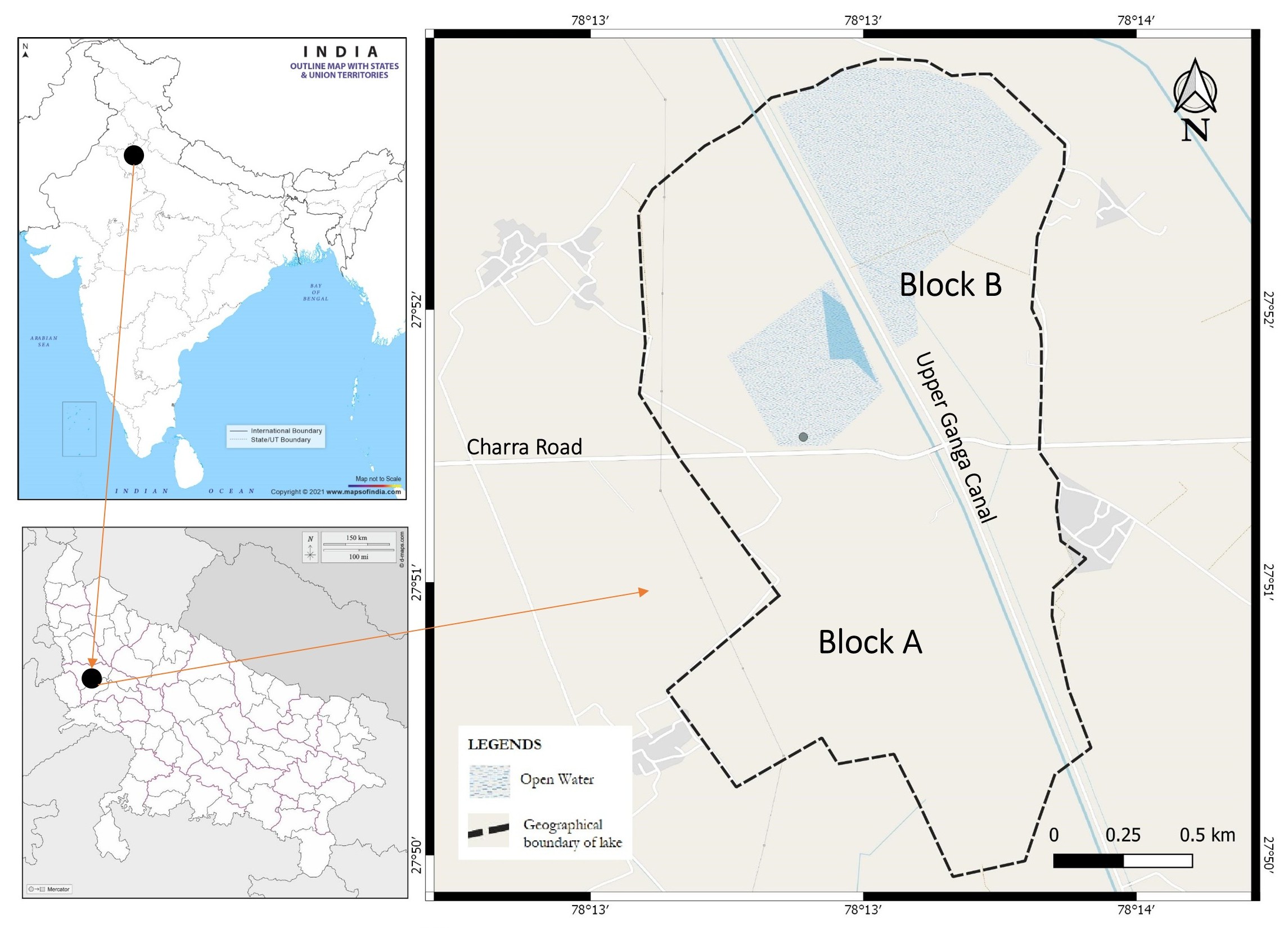
Figure 1. Location of Sheikha Lake, a tropical perennial wetland in the Gangetic Plain.
of the grid covered by clouds was used to classify cloud cover intensity into four categories: sunny (0% cloud cover), partly cloudy (≤50%), cloudy (>50–90%), and very cloudy (>90%).
Data analysis
Pearson’s product–moment correlation coefficient (r) was used to test the relationships between total roosting duration and day length, between emergence time and sunrise time, and between settling time and sunset time. Settling time, emergence time, and roosting duration were plotted against sunset time, sunrise time, and day length, respectively, and species-wise pre- and post-roosting activities were also plotted, using Microsoft Excel 2021. The roosting site selection and roosting behaviours between the egret species were compared pairwise using the Mann–Whitney U test. Statistical analyses were conducted in SPSS version 11.0 (SPSS, 2001).
Results
A total of 191 roosting observations, comprising 95 roost arrivals (settling) and 96 departures (emergence), were recorded over the course of the study from 2001 to 2003. The data includes 5,946 observations of egrets: 2,871 cattle egrets, 379 little egrets, 1,714 median egrets, and 982 great egrets. The size of mixed egret flocks during communal roosting generally ranged from 30 to 50 individuals, although flocks of 10–582 individuals were recorded. Analysis of roosting patterns revealed a strong positive correlation between the emergence times of all four egret species and sunrise (cattle egret r = 0.991, little egret r = 0.766, median egret r = 0.970, great egret r = 0.899; all P <0.01). Emergence typically began approximately 1 hour before sunrise and continued until about 15 min after sunrise (Figure 2).
Similarly, roosting arrivals showed a significant positive correlation with sunset (cattle egret r = 0.980, little egret r = 0.996, median egret r = 0.966, great egret r = 0.899; all P < 0.01), starting about 10 minutes before sunset and extending to about 30 min after sunset (Figure 3). These findings indicate that emergence and settling times are closely tied to sunrise and sunset times, respectively.
Roosting duration was inversely correlated with day length; as daylight hours increased, roosting time decreased (cattle egret r = −0.699, P = 0.05; little egret r = −0.854, median egret r = −0.856, great egret r = −0.866; all P < 0.01; Figure 4). Little egrets spent more time roosting than great egrets, which had the shortest roosting durations (Figures 2–4).
Pre- and post-roosting behaviours varied significantly among the four sympatric species, with all pairwise comparisons showing significant differences (P<0.01 for all 6 pairs). These behaviours included hopping, crouching, chasing, calling, fighting, and hovering above the roost (Table 1; Figure 5). Crouching accounted for 39% of the activities recorded for great egrets, which were also the most vocal species, with calling accounting for 30.3% of their activities (Figure 5). Little egrets mainly engaged in hopping (38.6%) and chasing (26.3%) (Figure 5). Cattle egrets showed a more even distribution of activities: calling (27.6%), hopping (25%), and hovering above the roost (21%) (Figure 5). Median egrets were the most aggressive, with fighting accounting for 13.7% of their activities (Figure 5).
Egrets used trees along the wetland ranging from 1–10 cm in girth and 10–50 m in height, irrespective of tree species. Typically, they mostly roosted in sites with >50% canopy cover and predominantly settled in the upper canopy, though the middle and lower canopy strata were sparsely occupied by weaker or subordinate individuals across all species. Roost sites were shared with other waterbirds, such as little cormorants, black-headed ibises, and glossy ibises (Plegadis falcinellus).
Comparative analysis of roost site characteristics, including canopy cover, canopy strata, tree height, and girth, revealed no significant differences among the egret species (Table 2), indicating that these sympatric species exhibit no distinct habitat preferences for communal roosting.
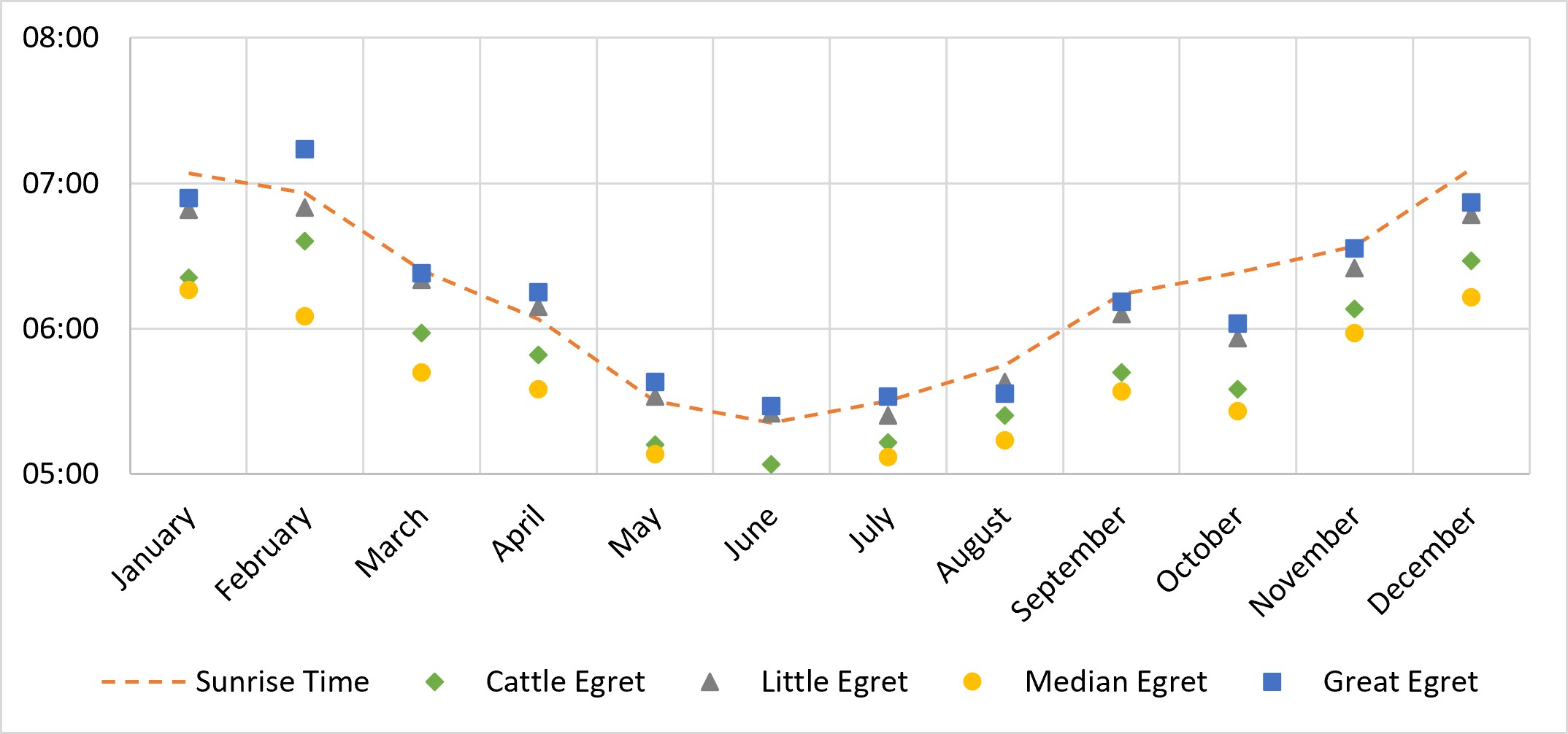
Figure 2. Emergence patterns from the roost among sympatric species of egrets relative to sunrise time.
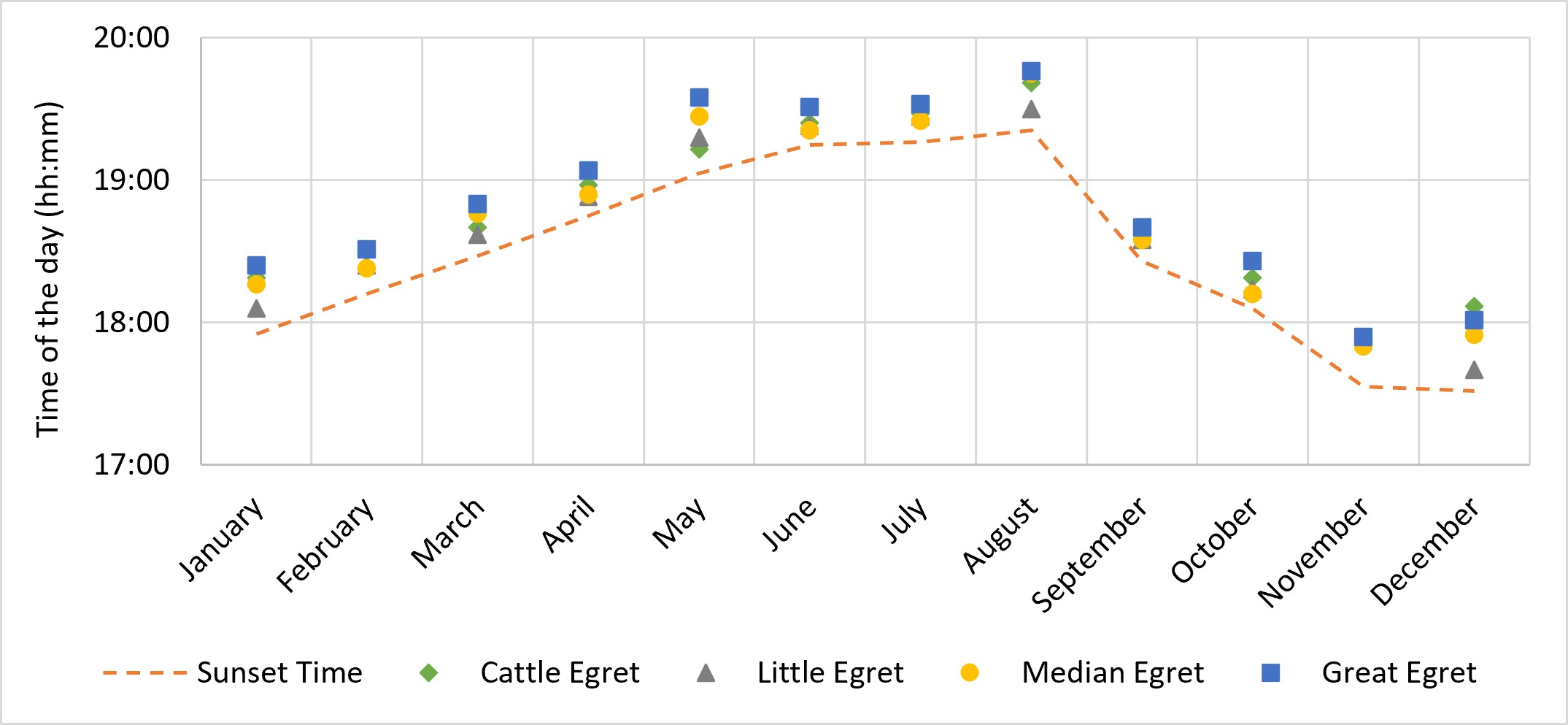
Figure 3. Settling pattern on the roost among the sympatric species of egrets relative to sunset time.
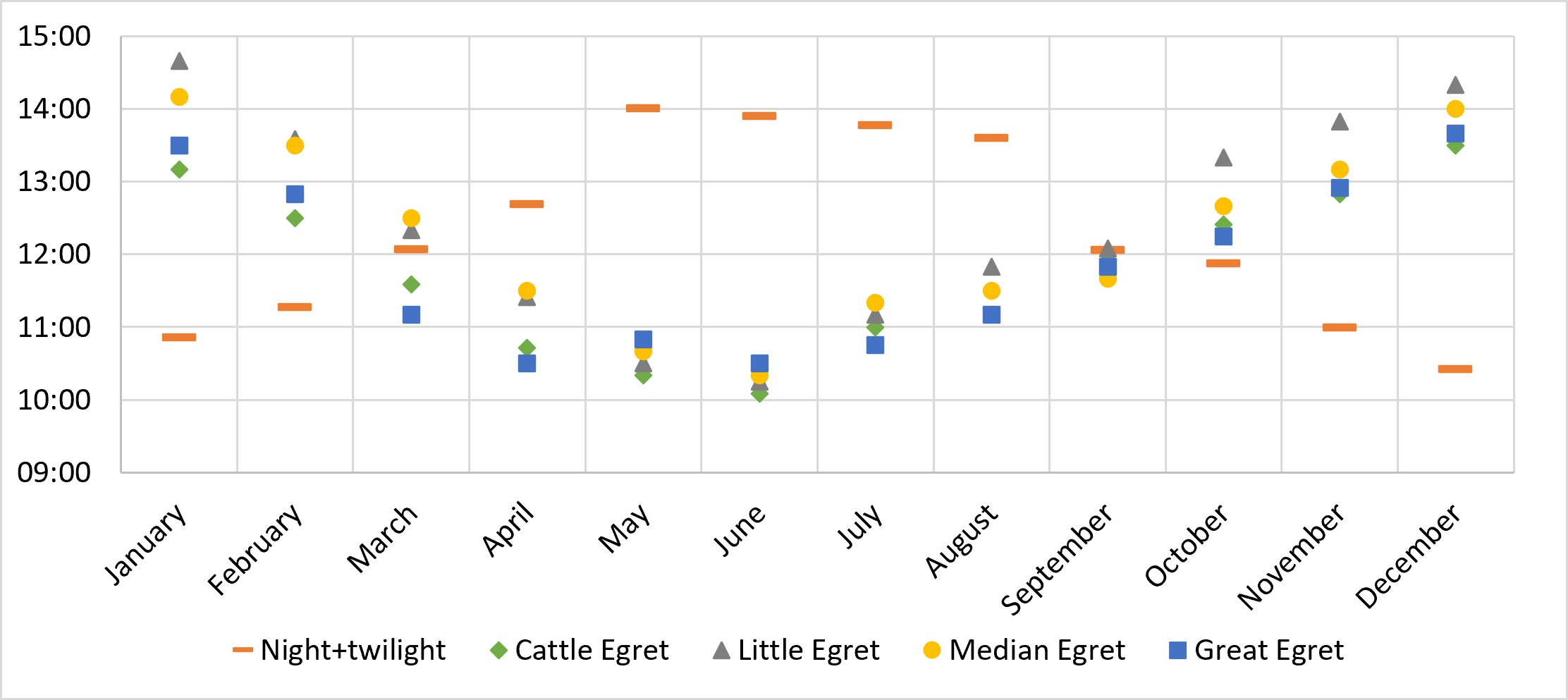
Figure 4. Seasonal variation and pattern of roosting duration across the sympatric species of egrets.
Table 1. Ethogram of roosting behaviour (activities) recorded during the sampling.
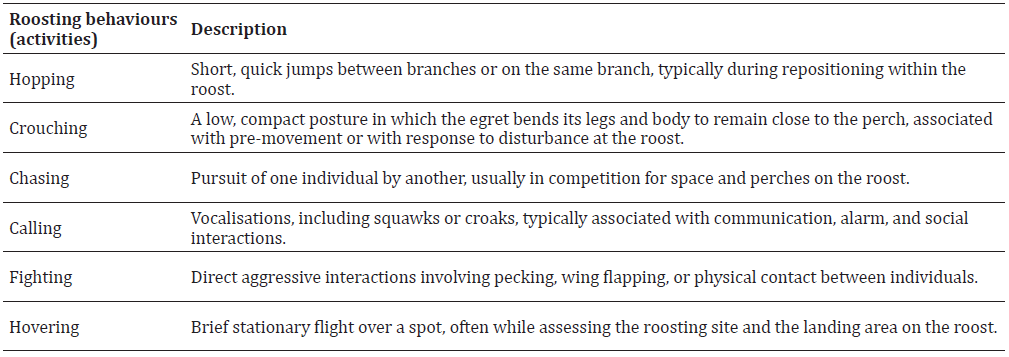
Table 2. Mean (± SE) of total number of individuals of four sympatric egret species in each habitat-variable class at roost sites.
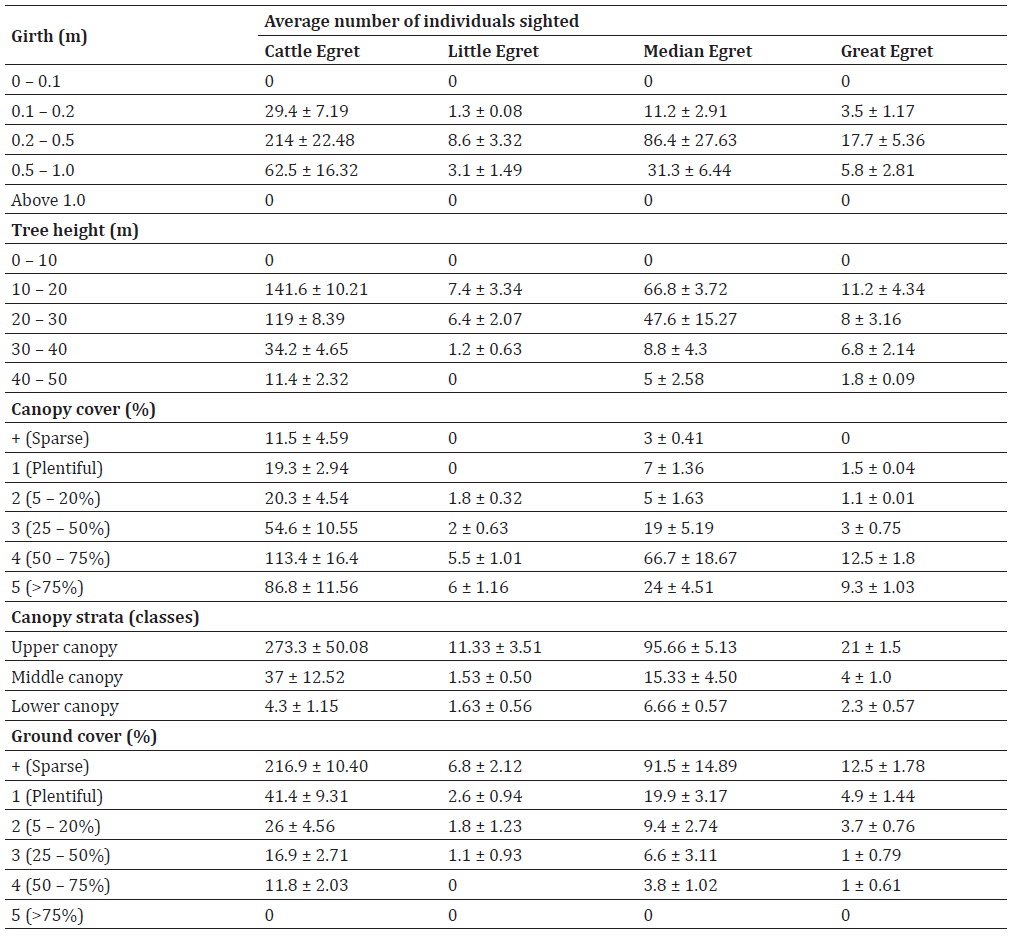
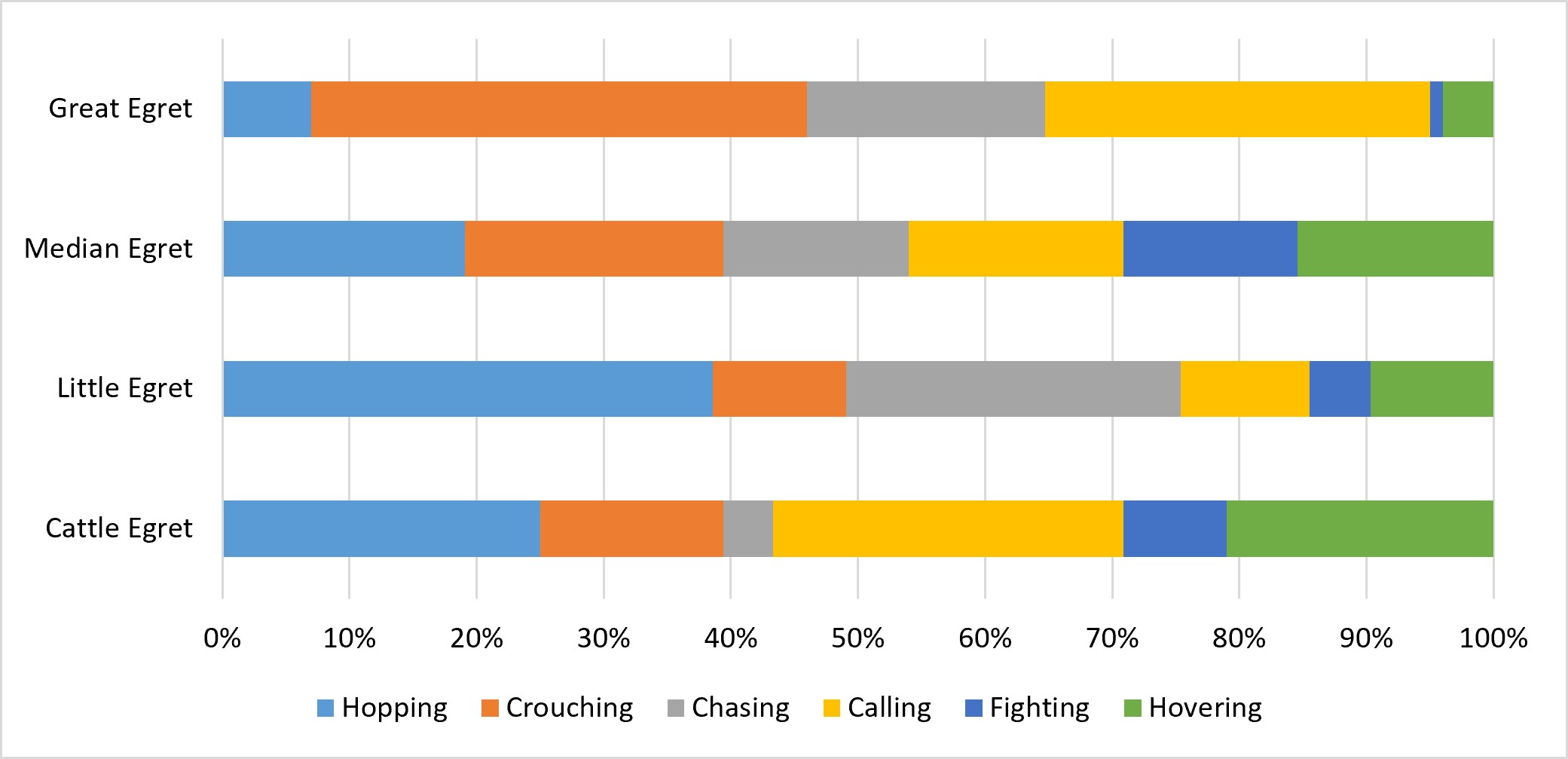
Figure 5. Different composition of activities in the pre- and post-roosting behaviours across the sympatric species of egrets.
Discussion
This study documented the communal roosting behaviour of four sympatric egret species at Sheikha Lake. Although these species use significantly different microhabitats for foraging during the day, they share the same roost sites at night (Abbasi & Khan, 2023).
Feeding habits and the distribution of food sources strongly influence the tendency of birds to aggregate. Datta (2001) suggests that, as their diet is patchily distributed, frugivorous birds need more information to locate food; hence, most of them (76%) tend to form communal roosts, which act as information centres. In contrast, as food for insectivorous birds is almost evenly distributed, only about 23% of carnivorous birds roost communally. Not all individuals find food at the same rate, and less successful foragers can locate good food sources by following successful roost mates (Ward & Zahavi, 1973). Compared with that of insectivorous birds, the diet of egrets is more localised, which may explain their mixed communal roosting behaviour. They feed on terrestrial and aquatic insects, worms, crustaceans, molluscs, amphibians, and small fish (Abbasi & Khan, 2023).
There is a clear relationship between the movement of the sun and egret roosting behaviour, similar to patterns observed in other bird species, including house swift (Apus nipalensis; Naik & Razack, 1967), blue magpie (Cyanopica cyana; Hosono, 1975), and common crane (Grus grus; Alonso et al., 1987). This relationship extends to various herons and egrets, such as cattle egrets (Siegfried, 1971) and great blue herons (Ardea herodias; Bayer, 1981). While light intensity likely influences roosting patterns (Siegfried, 1971; Counsilman, 1974), the present study found that cloud cover did not significantly affect roosting times, suggesting an underlying endogenous rhythm, such as the circadian cycle (Aschoff, 1965). Differences in roosting hours among the egret species may contribute to ecological separation, with late-emerging species such as great and little egrets potentially following others to feeding sites (Krebs, 1974).
Birds typically restrict foraging to daylight hours and rely on stored energy reserves overnight, a strategy that becomes particularly critical during long, cold winter nights (Walsberg, 1986). Roosting times are influenced by light intensity, season, and prevailing weather conditions. Although early work suggested species-specific light thresholds for activity (Seibert, 1951), later studies demonstrated that the light levels required to initiate or cease activity vary seasonally (Dominoni et al., 2014; Kumar et al., 2025). In vertebrates, the natural light–dark cycle functions as the primary synchroniser of biological rhythms (Aschoff et al., 1982), and locomotor activity provides a reliable measure of the temporal alignment between biological and environmental cues (Daan & Aschoff, 1975).
In this context, the observed inverse relationship between roosting duration and day length underscores photoperiod as a key regulator of daily time allocation in egrets, with longer daylight enabling extended foraging and increased investment in breeding activities during the summer months, particularly between June and September. Interspecific differences, such as longer roosting in little egrets compared to great egrets, likely reflect variation in body size, metabolic demand, and foraging efficiency.
Latitudinally, these relationships are expected to be more tightly coupled to photoperiod in temperate species, whereas in tropical systems they are often modulated by resource availability, hydrology, and disturbance regimes. Comparable effects of habitat structure and disturbance on communal roosting and activity budgets have been documented in Indian birds (Gadgil & Ali, 1975; Mahabal, 1997; Koli et al., 2019), reinforcing the value of roosting duration as an indicator of energetic balance and habitat quality.
The timing of bird movements at communal roosts depends on group size, time of year, light intensity, and weather conditions (Greig-Smith, 1982). For example, birds may arrive earlier on cloudy days than on clear ones (Bastawde, 1976). This study observed that cattle egrets, as early settlers, engaged in more hovering behaviour, while great and little egrets arrived later, likely to maximise feeding time. Roosting communally provides benefits, such as improved foraging efficiency, as communal roosts serve as information centres where birds can learn about food locations from others (Siegfried, 1971; Ward & Zahavi, 1973).
Throughout the study, morning emergence occurred more rapidly than evening settlement, likely driven by energetic demands following nocturnal fasting and thermoregulatory costs, circadian rhythms, and social facilitation (Beauchamp, 1999). Differences in settling and emerging durations among the species may relate to the distances travelled to feeding sites and local food availability. Seasonal variations also affected behaviour, with egrets emerging earlier and arriving later in winter to optimise feeding during shorter days (Figures 2 & 3).
The interspecific differences in pre- and post-roosting behaviours highlight behavioural niche partitioning among sympatric egrets, revealing species-specific strategies for space acquisition, dominance, and access to preferred perches within shared roosts. Patterns such as higher vocalisation, increased locomotion, or elevated aggression provide insight into social hierarchy, competition intensity, and sensitivity to disturbance.
Ecologically, these behaviours can serve as early indicators of roost site quality and habitat saturation, as shifts toward greater aggression or vocal activity may reflect limited roosting substrates or rising anthropogenic pressure. From a management perspective, monitoring such behavioural metrics supports the assessment of roost stability and the resilience of wetland ecosystems to environmental change and disturbance (Khan & Syed, 2010; Koli et al., 2019).
The structural configuration of the wetland landscape appears to play a more decisive role in roost site selection by waterbirds than tree species and their composition per se. The presence of dense peripheral plantations and a continuous forested corridor along the canal banks creates a heterogeneous vertical and horizontal structure that enhances roost suitability by providing visual cover, moderated microclimatic conditions, and multiple perching strata. Such complexity is likely to reduce perceived predation risk and exposure to wind and temperature extremes, thereby improving overnight energy conservation and overall roost fidelity.
The functional zoning of the landscape further reinforces roost attractiveness. The close spatial juxtaposition of foraging habitats (open water), supplementary feeding areas (adjacent agricultural fields), and secure roosting and breeding cover (thickets and plantations) minimise commuting distances between feeding and resting sites. This spatial efficiency can be particularly advantageous during energetically demanding periods, such as wintering or pre-breeding phases, and may outweigh preferences for specific tree taxa.
From an ecosystem management perspective, the low level of anthropogenic disturbance within and around the roost may contribute to its continued use by roosting birds. Limited human activity during settling time and minimal artificial lighting are likely to contribute to a stable acoustic and visual environment for roosting.
The dense growth of marginal vegetation, including Prosopis juliflora and mixed native tree assemblages, also serves as an effective buffer against edge effects by screening the roost interior from adjacent human-dominated landscapes. This buffering capacity is particularly relevant in managed or modified wetlands, where hydrological manipulation and infrastructure development can alter habitat quality without directly removing roost substrates.
The absence of significant differences in roost site characteristics among egrets may be due to low competition for space, given the relatively small population size (mostly fewer than 50 birds at the roost site). Higher population densities could lead to niche partitioning. Although roosting is crucial for egrets, other factors, such as foraging behaviour and spatio-temporal distribution, may be more important for ecological isolation (Wani et al., 2021). Further studies, including overnight observations, could provide additional insights into the microhabitat requirements of roost sites (Koli et al., 2019).
Acknowledgement
The present research was carried out by the first author during her Ph.D. programme at the Department of Wildlife Sciences, Aligarh Muslim University, India. Thanks are due to Prof. (retd.) H.S.A. Yahya, Former Chairman, Department of Wildlife Sciences, Aligarh Muslim University, for his kind supervision.
CONFLICT OF INTEREST
The authors declare no competing interests.
DATA AVAILABILITY
Data is available from the corresponding author on request.
AUTHOR CONTRIBUTIONS
Faiza Abbasi: Conceptualisation, Methodology, Data Collection, Analysis, Writing original draft.
Mohd Shahnawaz Khan: Data Curation, Formal Analysis, Writing original draft
Edited By
Manjari Jain
Department of Biological Sciences, IISER Mohali.
*CORRESPONDENCE
Mohd Shahnawaz Khan
✉ shahnawaz.khan.aligarh@gmail.com
SPECIAL ISSUE
This paper is published in the Special Issue 'Advances in Avian Biology'.
CITATION
Abbasi, F. & Khan, M. S. (2026). Roosting Patterns and Site Selection among Sympatric Egret Species in a Tropical Wetland Ecosystem in India. Journal of Wildlife Science, Online Early Publication, 01-08. https://doi.org/10.63033/JWLS.RHPI4490
COPYRIGHT
© 2026 Abbasi & Khan. This is an open-access article, immediately and freely available to read, download, and share. The information contained in this article is distributed under the terms of the Creative Commons Attribution License (CC BY 4.0
 ), allowing for unrestricted use, distribution, and reproduction in any medium, provided the original work is properly cited in accordance with accepted academic practice. Copyright is retained by the author(s).
PUBLISHED BY
Wildlife Institute of India, Dehradun, 248 001 INDIA
PUBLISHER'S NOTE
The Publisher, Journal of Wildlife Science or Editors cannot be held responsible for any errors or consequences arising from the use of the information contained in this article. All claims expressed in this article are solely those of the author(s) and do not necessarily represent those of their affiliated organisations or those of the publisher, the editors and the reviewers. Any product that may be evaluated or used in this article or claim made by its manufacturer is not guaranteed or endorsed by the publisher.
Abbasi, F. & Khan, M. S. (2023). Spatial, temporal and trophic resource partitioning among four egret species (Aves: Pelecaniformes: Ardeidae) in a tropical wetland ecosystem, India. Journal of Threatened Taxa, 15(11), 24201–24211. https://doi.org/10.11609/jott.8429.15.11.24201-24211
Akram, F. & Ilyas, O. (2021). Seasonal variation in water bird community structure in Shekha wetland, an IBA site, and their association with physico-chemical parameters. International Journal of Fauna and Biological Studies, 8(4), 4–11. https://doi.org/10.22271/23940522.2021.v8.i4a.836
Ali, S. & Ripley, S. D. (2007). Handbook of the birds of India and Pakistan. Bombay Natural History Society and Oxford University Press, New Delhi, India.
Alonso, J. C., Alonso, J. A. & Veiga, J. P. (1987). Flocking in wintering Common Cranes: influence of population size, food abundance and habitat patchiness. Ornis Scandinavica, 18(1), 53–60. https://www.researchgate.net/publication/296470179_Flocking_in_wintering_common_cranes_Grus_grus_influence_of_population_size_food_abundance_and_habitat_patchiness
Altmann, J. (1974). Observational Study of Behavior: Sampling Methods. Behaviour, 49(3–4), 227–267. https://doi.org/10.1163/156853974X00534
Aschoff, J. (1965). The phase angle difference in circadian periodicity. In: Aschoff, J. (ed.), Circadian clocks. North Holland, Amsterdam. pp.262–267.
Aschoff, J., Daan, S. & Honma, K. I. (1982). Zeitgebers, Entrainment, and Masking: Some Unsettled Questions. In: Aschoff, J., Daan, S. & Groos, G. A. (eds.), Vertebrate Circadian Systems. Springer, Berlin, Heidelberg. pp.13–24. https://doi.org/10.1007/978-3-642-68651-1_2
Bastawde, D. B. (1976). The roosting habits of Green Bee-Eater. Journal of the Bombay Natural History Society, 73(1), 215–222.
Bayer, R. D. (1981). Arrival and departure frequencies of great Blue Herons at two Oregon Estuarine colonies. The Auk, 98(3), 589–595. https://digitalcommons.usf.edu/cgi/viewcontent.cgi?article=20715&context=auk
Beauchamp, G. (1999). The evolution of communal roosting in birds: origin and secondary losses. Behavioral Ecology, 10(6), 675–687. https://doi.org/10.1093/beheco/10.6.675
Causton, D. R. (1988). An Introduction to Vegetation Analysis: Principles, Practices and Interpretation. Unwin Hyman, London.
Cayley, J. W. D., & Bird, P. R. (1996). Techniques for Measuring Pastures (2nd ed.). Pastoral and Veterinary Institute, Hamilton, Victoria, Australia.
Counsilman, J. J. (1974). Waking and Roosting Behaviour of the Indian Myna. Emu - Austral Ornithology, 74, 135–148. https://doi.org/10.1071/MU974135
Daan, S. & Aschoff, J. (1975). Circadian rhythms of locomotor activity in captive birds and mammals: Their variations with season and latitude. Oecologia, 18, 269–316. https://doi.org/10.1007/BF00345851
Datta, A. (2001). An ecological study of sympatric Hornbills and fruiting patterns in Tropical forests of Arunachal Pradesh. PhD Thesis, Saurashtra University, Rajkot, India.
Dodge, H. J., Ajello, L. & Engelke, O. K. (1965). The Association of A Bird-Roosting Site With Infection of School Children By Histoplasma capsulatum. American Journal of Public Health, 55(8), 1203–1211. https://doi.org/10.2105/AJPH.55.8.120
Dominoni, D. M., Carmona-Wagner, E. O., Hofmann, M., Kranstauber, B. & Partecke, J. (2014). Individual-based measurements of light intensity provide new insights into the effects of artificial light at night on daily rhythms of urban-dwelling songbirds. Journal of Animal Ecology, 83, 681–692. https://doi.org/10.1111/1365-2656.12150
Draulans, D. & van Vessem, J. (1986). Communal Roosting in Grey Herons (Ardea cinerea) in Belgium. Colonial Waterbirds, 9(1), 18–24. https://doi.org/10.2307/1521139
Gadgil, M. & Ali, S. (1975). Communal roosting habits of Indian birds. Journal of the Bombay Natural History Society, 72(3), 716–727. https://wgbis.ces.iisc.ac.in/biodiversity/pubs/mg/pdfs/mg018.pdf
Greig-Smith, P. W. (1982). Behaviour of birds entering and leaving communal roosts of Madagascar Fodies (Foudia madagascariensis) and Indian Mynahs (Acridotheres tristis). Ibis, 124, 529–534. https://doi.org/10.1111/j.1474-919X.1982.tb03797.x
Hosono, T. (1975). A study of the life history of the Blue Magpie (10). Journal of the Yamashina Institute for Ornithology, 7, 533–549. https://doi.org/10.3312/jyio1952.7.5_533
Huang, A. C., Essak, M. & O’Connor, M. I. (2015). Top–down control by great blue herons Ardea herodias regulates seagrass-associated epifauna. Oikos, 124(11), 1492–1501. https://doi.org/10.1111/oik.01988
Islam, M. Z. & Rahmani, A. R. (2004). Important Bird Areas in India: Priority Sites for Conservation. BNHS and BirdLife International, Mumbai, India.
Jennings, S. (2017). Studying top predators to understand landscape habitat linkages: The Movement Ecology of Egrets. Ardeid, 1, 1–3. https://www.allhandsecology.org/wp-content/uploads/2022/09/themovementecologyofegrets_ardeid_2017.pdf
Khan, M. S. & Syed, Z. (2010). Roosting Behaviour among Birds, with observations in Aligarh district, Uttar Pradesh. Bionotes, 12(2), 45–47.
Koli, V. K., Chaudhary, S. & Sundar, K. G. (2019). Roosting ecology of Black-headed Ibis (Threskiornis melanocephalus) in urban and rural areas of southern Rajasthan, India. Waterbirds, 42, 51–60. https://doi.org/10.1675/063.042.0106
Krebs, J. R. (1974). Colonial nesting and social feeding as strategies for exploiting food resources in the Great Blue Heron (Ardea herodias). Behaviour, 51, 99–134. https://doi.org/10.1163/156853974X00165
Kumar, M., Kumar, A., Tripathi, V. & Bhardwaj, S. K. (2025). Intervening periods of normal dark nights mitigate the negative effects of night-light pollution on feeding and nocturnal sleep in diurnal zebra finch (Taeniopygia guttata). Proceedings of the Indian National Science Academy. https://doi.org/10.1007/s43538-025-00603-y
Laughlin, A. L., Sheldon, D. R., Winkler, D. W. & Taylor, C. M. (2014). Behaviour drivers of communal roosting in a songbird: A combined theoretical and empirical approach. Behavioral Ecology, 25(4), 734–743. https://doi.org/10.1093/beheco/aru044
Mahabal, A. (1997). Communal roosting in Common Mynas and its functional significance. Journal of the Bombay Natural History Society, 94(2), 342–349.
Mehta, K., Koli, V.K., Kittur, S. & Sundar K.S.G. (2024). Can you nest where you roost? Waterbirds use different sites but similar cues to locate roosting and breeding sites in a small Indian city. Urban Ecosystems 27, 1279-1290. https://doi.org/10.1007/s11252-023-01454-5
Naik, R. M. & Razack, A. (1967). Studies on the house swift (Apus affinis). Pavo, 5, 57–74.
Rodgers, W. A. & Panwar, H. S. (1988). Planning a wildlife protected area network in India. Wildlife Institute of India, Dehradun, India.
Saxena, K. (2022). Defence Strategies in Birds of the family Charadriidae. Proceedings of the Zoological Society. https://ssrn.com/abstract=4538925
Seibert, H. C. (1951). Light Intensity and the Roosting Flight of Herons in New Jersey. The Auk, 68(1), 63–73. https://doi.org/10.2307/4080799
Siegfried, W. R. (1971). Feeding activity of the cattle egret. Ardea, 59(1–2), 38–46.
SPSS (2001). Statistical Package for the Social Sciences for Windows, version 11.0. SPSS Inc., Chicago, IL, USA.
Walsberg, G. E. (1986). Thermal Consequences of Roost-site Selection: The Relative Importance of Three Modes of Heat Conservation. The Auk, 103(1), 1–7. https://doi.org/10.1093/auk/103.1
Wani, I. N., Fazili, M. F., Bhat, B. A., Dar, J. A. & Sheikh, M. M. (2021). Waterbird Density and Habitat Utilisation Pattern in Wular Lake, Kashmir, India. Indian Journal of Science and Technology, 14(19), 1545–1553. https://doi.org/10.17485/IJST/v14i19.1781
Ward, M. P., Raim, A., Yaremych-Hamer, S., Lampman, R. & Novak, R. J. (2006). Does the roosting behavior of birds affect transmission dynamics of West Nile virus? The American Journal of Tropical Medicine and Hygiene, 75(2), 350–355. https://doi.org/10.4269/ajtmh.2006.75.350
Ward, P. & Zahavi, A. (1973). The importance of certain assemblages of birds as “information centres” for food finding. Ibis, 115, 517–534. https://doi.org/10.1111/j.1474-919X.1973.tb01990.x
Wijeweera, W. P. S. N., De Silva, G. H. V. S., Edirisinghe, O. C. & Amarasinghe, N. J. D. S. (2023). Roosting Behavior of Waterbirds at Ruhuna University Premises in Sri Lanka. Journal of the University of Ruhuna, 11(1), 7–14. https://doi.org/10.4038/jur.v11i1.7985

Edited By
Manjari Jain
Department of Biological Sciences, IISER Mohali.
*CORRESPONDENCE
Mohd Shahnawaz Khan
✉ shahnawaz.khan.aligarh@gmail.com
SPECIAL ISSUE
This paper is published in the Special Issue 'Advances in Avian Biology'.
CITATION
Abbasi, F. & Khan, M. S. (2026). Roosting Patterns and Site Selection among Sympatric Egret Species in a Tropical Wetland Ecosystem in India. Journal of Wildlife Science, Online Early Publication, 01-08. https://doi.org/10.63033/JWLS.RHPI4490
COPYRIGHT
© 2026 Abbasi & Khan. This is an open-access article, immediately and freely available to read, download, and share. The information contained in this article is distributed under the terms of the Creative Commons Attribution License (CC BY 4.0), allowing for unrestricted use, distribution, and reproduction in any medium, provided the original work is properly cited in accordance with accepted academic practice. Copyright is retained by the author(s).
PUBLISHED BY
Wildlife Institute of India, Dehradun, 248 001 INDIA
PUBLISHER'S NOTE
The Publisher, Journal of Wildlife Science or Editors cannot be held responsible for any errors or consequences arising from the use of the information contained in this article. All claims expressed in this article are solely those of the author(s) and do not necessarily represent those of their affiliated organisations or those of the publisher, the editors and the reviewers. Any product that may be evaluated or used in this article or claim made by its manufacturer is not guaranteed or endorsed by the publisher.
Abbasi, F. & Khan, M. S. (2023). Spatial, temporal and trophic resource partitioning among four egret species (Aves: Pelecaniformes: Ardeidae) in a tropical wetland ecosystem, India. Journal of Threatened Taxa, 15(11), 24201–24211. https://doi.org/10.11609/jott.8429.15.11.24201-24211
Akram, F. & Ilyas, O. (2021). Seasonal variation in water bird community structure in Shekha wetland, an IBA site, and their association with physico-chemical parameters. International Journal of Fauna and Biological Studies, 8(4), 4–11. https://doi.org/10.22271/23940522.2021.v8.i4a.836
Ali, S. & Ripley, S. D. (2007). Handbook of the birds of India and Pakistan. Bombay Natural History Society and Oxford University Press, New Delhi, India.
Alonso, J. C., Alonso, J. A. & Veiga, J. P. (1987). Flocking in wintering Common Cranes: influence of population size, food abundance and habitat patchiness. Ornis Scandinavica, 18(1), 53–60. https://www.researchgate.net/publication/296470179_Flocking_in_wintering_common_cranes_Grus_grus_influence_of_population_size_food_abundance_and_habitat_patchiness
Altmann, J. (1974). Observational Study of Behavior: Sampling Methods. Behaviour, 49(3–4), 227–267. https://doi.org/10.1163/156853974X00534
Aschoff, J. (1965). The phase angle difference in circadian periodicity. In: Aschoff, J. (ed.), Circadian clocks. North Holland, Amsterdam. pp.262–267.
Aschoff, J., Daan, S. & Honma, K. I. (1982). Zeitgebers, Entrainment, and Masking: Some Unsettled Questions. In: Aschoff, J., Daan, S. & Groos, G. A. (eds.), Vertebrate Circadian Systems. Springer, Berlin, Heidelberg. pp.13–24. https://doi.org/10.1007/978-3-642-68651-1_2
Bastawde, D. B. (1976). The roosting habits of Green Bee-Eater. Journal of the Bombay Natural History Society, 73(1), 215–222.
Bayer, R. D. (1981). Arrival and departure frequencies of great Blue Herons at two Oregon Estuarine colonies. The Auk, 98(3), 589–595. https://digitalcommons.usf.edu/cgi/viewcontent.cgi?article=20715&context=auk
Beauchamp, G. (1999). The evolution of communal roosting in birds: origin and secondary losses. Behavioral Ecology, 10(6), 675–687. https://doi.org/10.1093/beheco/10.6.675
Causton, D. R. (1988). An Introduction to Vegetation Analysis: Principles, Practices and Interpretation. Unwin Hyman, London.
Cayley, J. W. D., & Bird, P. R. (1996). Techniques for Measuring Pastures (2nd ed.). Pastoral and Veterinary Institute, Hamilton, Victoria, Australia.
Counsilman, J. J. (1974). Waking and Roosting Behaviour of the Indian Myna. Emu - Austral Ornithology, 74, 135–148. https://doi.org/10.1071/MU974135
Daan, S. & Aschoff, J. (1975). Circadian rhythms of locomotor activity in captive birds and mammals: Their variations with season and latitude. Oecologia, 18, 269–316. https://doi.org/10.1007/BF00345851
Datta, A. (2001). An ecological study of sympatric Hornbills and fruiting patterns in Tropical forests of Arunachal Pradesh. PhD Thesis, Saurashtra University, Rajkot, India.
Dodge, H. J., Ajello, L. & Engelke, O. K. (1965). The Association of A Bird-Roosting Site With Infection of School Children By Histoplasma capsulatum. American Journal of Public Health, 55(8), 1203–1211. https://doi.org/10.2105/AJPH.55.8.120
Dominoni, D. M., Carmona-Wagner, E. O., Hofmann, M., Kranstauber, B. & Partecke, J. (2014). Individual-based measurements of light intensity provide new insights into the effects of artificial light at night on daily rhythms of urban-dwelling songbirds. Journal of Animal Ecology, 83, 681–692. https://doi.org/10.1111/1365-2656.12150
Draulans, D. & van Vessem, J. (1986). Communal Roosting in Grey Herons (Ardea cinerea) in Belgium. Colonial Waterbirds, 9(1), 18–24. https://doi.org/10.2307/1521139
Gadgil, M. & Ali, S. (1975). Communal roosting habits of Indian birds. Journal of the Bombay Natural History Society, 72(3), 716–727. https://wgbis.ces.iisc.ac.in/biodiversity/pubs/mg/pdfs/mg018.pdf
Greig-Smith, P. W. (1982). Behaviour of birds entering and leaving communal roosts of Madagascar Fodies (Foudia madagascariensis) and Indian Mynahs (Acridotheres tristis). Ibis, 124, 529–534. https://doi.org/10.1111/j.1474-919X.1982.tb03797.x
Hosono, T. (1975). A study of the life history of the Blue Magpie (10). Journal of the Yamashina Institute for Ornithology, 7, 533–549. https://doi.org/10.3312/jyio1952.7.5_533
Huang, A. C., Essak, M. & O’Connor, M. I. (2015). Top–down control by great blue herons Ardea herodias regulates seagrass-associated epifauna. Oikos, 124(11), 1492–1501. https://doi.org/10.1111/oik.01988
Islam, M. Z. & Rahmani, A. R. (2004). Important Bird Areas in India: Priority Sites for Conservation. BNHS and BirdLife International, Mumbai, India.
Jennings, S. (2017). Studying top predators to understand landscape habitat linkages: The Movement Ecology of Egrets. Ardeid, 1, 1–3. https://www.allhandsecology.org/wp-content/uploads/2022/09/themovementecologyofegrets_ardeid_2017.pdf
Khan, M. S. & Syed, Z. (2010). Roosting Behaviour among Birds, with observations in Aligarh district, Uttar Pradesh. Bionotes, 12(2), 45–47.
Koli, V. K., Chaudhary, S. & Sundar, K. G. (2019). Roosting ecology of Black-headed Ibis (Threskiornis melanocephalus) in urban and rural areas of southern Rajasthan, India. Waterbirds, 42, 51–60. https://doi.org/10.1675/063.042.0106
Krebs, J. R. (1974). Colonial nesting and social feeding as strategies for exploiting food resources in the Great Blue Heron (Ardea herodias). Behaviour, 51, 99–134. https://doi.org/10.1163/156853974X00165
Kumar, M., Kumar, A., Tripathi, V. & Bhardwaj, S. K. (2025). Intervening periods of normal dark nights mitigate the negative effects of night-light pollution on feeding and nocturnal sleep in diurnal zebra finch (Taeniopygia guttata). Proceedings of the Indian National Science Academy. https://doi.org/10.1007/s43538-025-00603-y
Laughlin, A. L., Sheldon, D. R., Winkler, D. W. & Taylor, C. M. (2014). Behaviour drivers of communal roosting in a songbird: A combined theoretical and empirical approach. Behavioral Ecology, 25(4), 734–743. https://doi.org/10.1093/beheco/aru044
Mahabal, A. (1997). Communal roosting in Common Mynas and its functional significance. Journal of the Bombay Natural History Society, 94(2), 342–349.
Mehta, K., Koli, V.K., Kittur, S. & Sundar K.S.G. (2024). Can you nest where you roost? Waterbirds use different sites but similar cues to locate roosting and breeding sites in a small Indian city. Urban Ecosystems 27, 1279-1290. https://doi.org/10.1007/s11252-023-01454-5
Naik, R. M. & Razack, A. (1967). Studies on the house swift (Apus affinis). Pavo, 5, 57–74.
Rodgers, W. A. & Panwar, H. S. (1988). Planning a wildlife protected area network in India. Wildlife Institute of India, Dehradun, India.
Saxena, K. (2022). Defence Strategies in Birds of the family Charadriidae. Proceedings of the Zoological Society. https://ssrn.com/abstract=4538925
Seibert, H. C. (1951). Light Intensity and the Roosting Flight of Herons in New Jersey. The Auk, 68(1), 63–73. https://doi.org/10.2307/4080799
Siegfried, W. R. (1971). Feeding activity of the cattle egret. Ardea, 59(1–2), 38–46.
SPSS (2001). Statistical Package for the Social Sciences for Windows, version 11.0. SPSS Inc., Chicago, IL, USA.
Walsberg, G. E. (1986). Thermal Consequences of Roost-site Selection: The Relative Importance of Three Modes of Heat Conservation. The Auk, 103(1), 1–7. https://doi.org/10.1093/auk/103.1
Wani, I. N., Fazili, M. F., Bhat, B. A., Dar, J. A. & Sheikh, M. M. (2021). Waterbird Density and Habitat Utilisation Pattern in Wular Lake, Kashmir, India. Indian Journal of Science and Technology, 14(19), 1545–1553. https://doi.org/10.17485/IJST/v14i19.1781
Ward, M. P., Raim, A., Yaremych-Hamer, S., Lampman, R. & Novak, R. J. (2006). Does the roosting behavior of birds affect transmission dynamics of West Nile virus? The American Journal of Tropical Medicine and Hygiene, 75(2), 350–355. https://doi.org/10.4269/ajtmh.2006.75.350
Ward, P. & Zahavi, A. (1973). The importance of certain assemblages of birds as “information centres” for food finding. Ibis, 115, 517–534. https://doi.org/10.1111/j.1474-919X.1973.tb01990.x
Wijeweera, W. P. S. N., De Silva, G. H. V. S., Edirisinghe, O. C. & Amarasinghe, N. J. D. S. (2023). Roosting Behavior of Waterbirds at Ruhuna University Premises in Sri Lanka. Journal of the University of Ruhuna, 11(1), 7–14. https://doi.org/10.4038/jur.v11i1.7985


